
Collaboration builds markets for U.S. Soy
U.S. soybean farmers focus on two things: volume and value. Value means building new uses and protecting markets. Volume means making sure every bushel has a home.
And today, that home is increasingly overseas.
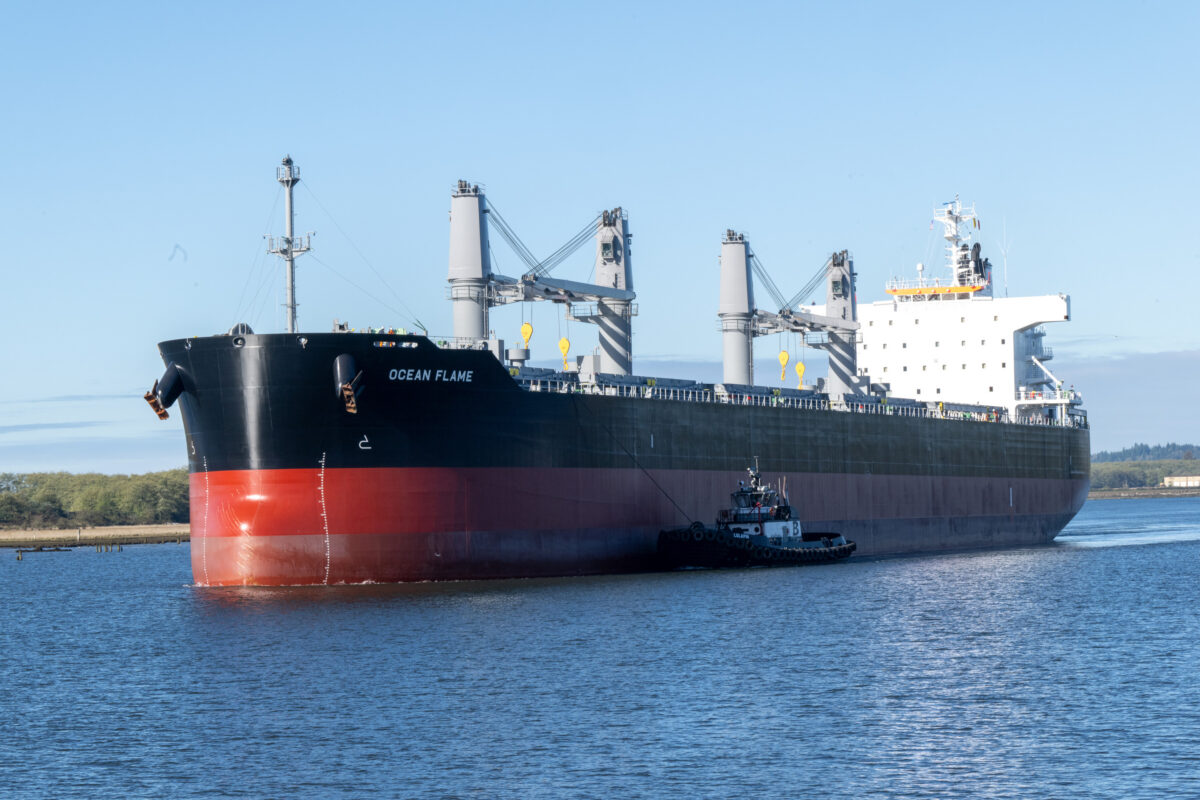
Roughly two-thirds of the U.S. soybean crop is exported. When you factor in meat and poultry raised on U.S. soybean meal, about 7 out of every 10 rows of soybeans depend on international markets.
Those markets don’t just happen—they’re built.
The Soy Checkoff’s $28 million investment in exports is its single largest volume investment. It supports boots-on-the-ground work in more than 90 countries, building relationships with feed mills, crushers, and buyers long before the first shipment moves.
That work is carried out through a coordinated effort among four key organizations: the World Initiative for Soy in Human Health (WISHH), U.S. Soybean Export Council (USSEC), U.S. Meat Export Federation (USMEF), and USA Poultry & Egg Export Council (USAPEEC). Each plays a distinct role in growing demand.
At United Soybean Board’s (USB) February Board Meeting, grower leaders representing these organizations spoke to their fellow farmers during a panel discussion about how collaboration drives demand for U.S. Soy exports.
Building markets from the ground up
WISHH focuses on emerging markets—countries that may not yet import soy at scale. The goal is to build awareness, develop infrastructure, and secure initial purchases.
“In Pakistan, WISHH worked heavily in aquaculture and was the face of U.S. Soy,” says Brent Renner, WISHH and USB director. “When the market took off, customers already knew U.S. Soy, which made the transition to USSEC seamless.”
That transition typically happens when a market reaches about 150,000 metric tons. From there, USSEC takes the lead, focusing on long-term commercial growth.
USSEC has about 150 staff working globally, directly engaging customers and maintaining U.S. Soy’s competitive edge. In the Americas alone, the organization conducted 133 activities with more than 4,000 customers last year.
“USB investments are not just for today’s farmers, but for the next generation,” says Mike McCranie, USB director and USSEC chair.
With 97% of the world’s population living outside the U.S., the opportunity is clear—and USSEC’s focus on market access, differentiation, and customer engagement keeps U.S. Soy in the game.
Driving demand through meat and poultry
Exports aren’t just about shipping whole soybeans—they also drive demand for soybean meal through meat and poultry production.
“When USMEF builds demand for U.S. pork overseas, those animals are fed soybean meal here at home,” states USB and USMEF director Jim Douglas.
About 30% of U.S. pork production is exported, and $67 of every $200 per hog comes from export markets—often from cuts not consumed domestically. Without those markets, both pork value and soybean meal demand would drop.
Poultry tells a similar story. As the largest global user of soybean meal, the industry is a major driver of demand.
USAPEEC, which operates in more than 100 markets, helped generate demand equal to 126.4 million bushels of soybeans through poultry and egg exports in 2024.
“USAPEEC creates a value-added demand stream for soybeans through meat demand,” says USB and USAPEEC director Tom Griffiths.
A strong return for farmers
Checkoff investments in exports deliver measurable returns. A 2024 Cornell University study found the Soy Checkoff returns $12.30 for every dollar invested overall. Export market development leads the way, returning $14.26 per dollar.
That makes exports more than an expense—they’re a high-performing investment in the future of U.S. soybean farming.
In today’s global market, demand doesn’t build itself. It takes long-term commitment, boots on the ground, and strong partnerships.
And for U.S. soybean farmers, that collaboration continues to pay off where it matters most—on the bottom line.
How did you like this article?
