Soy Checkoff Partners with Soy Transportation Coalition to Fund Research, Analysis and Design for Houston Export Terminal Expansion
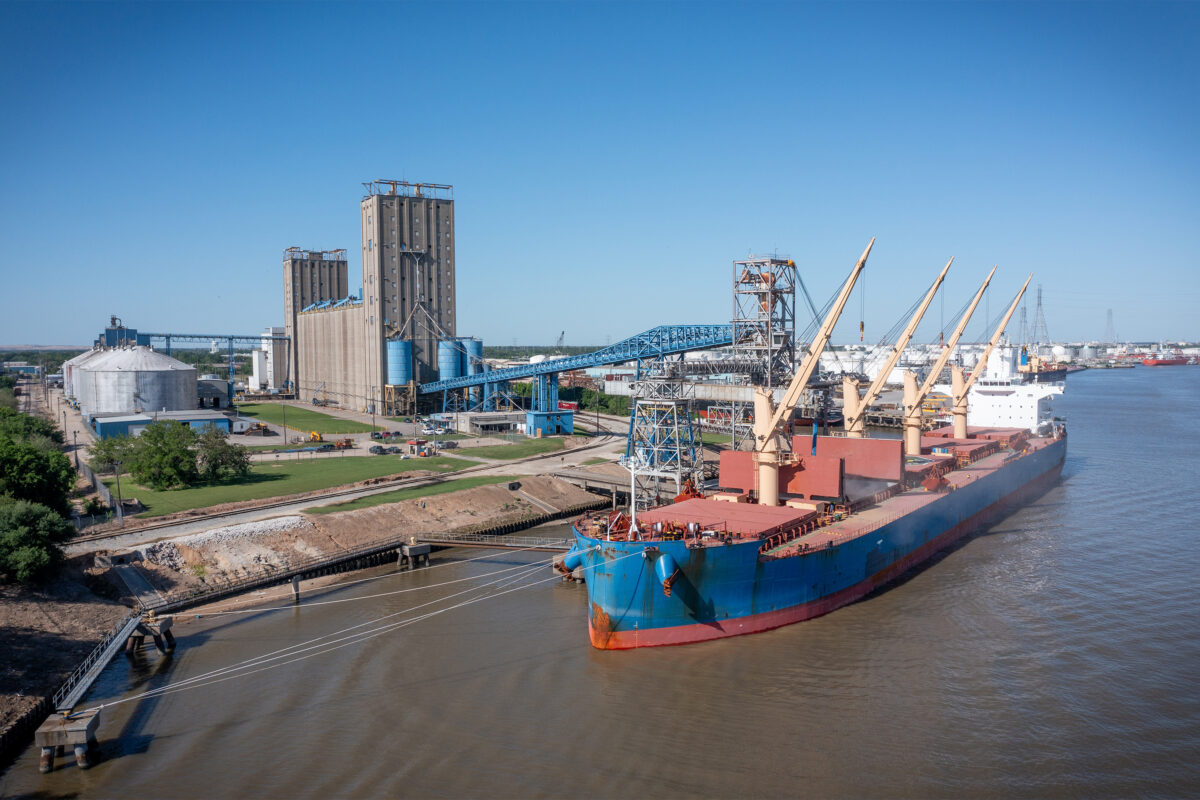
Soy Checkoff investment in Port of Houston expands soybean meal export capacity opening up more markets using rail transportation and offers resilience to the supply chain, amid low water conditions on the Mississippi River. (The Andersons Inc)
St. LOUIS (November 14, 2025) — Soybean farmer leaders recently presented a ceremonial check in the amount of $275,000 to The Andersons, Inc. for their expansion project at the Port of Houston, specifically funding research, analysis, pre-engineering, and design of the facility. Once completed in the first quarter of 2026, the expansion will enable the export of soybean meal from the facility furthering demand of U.S. Soy.
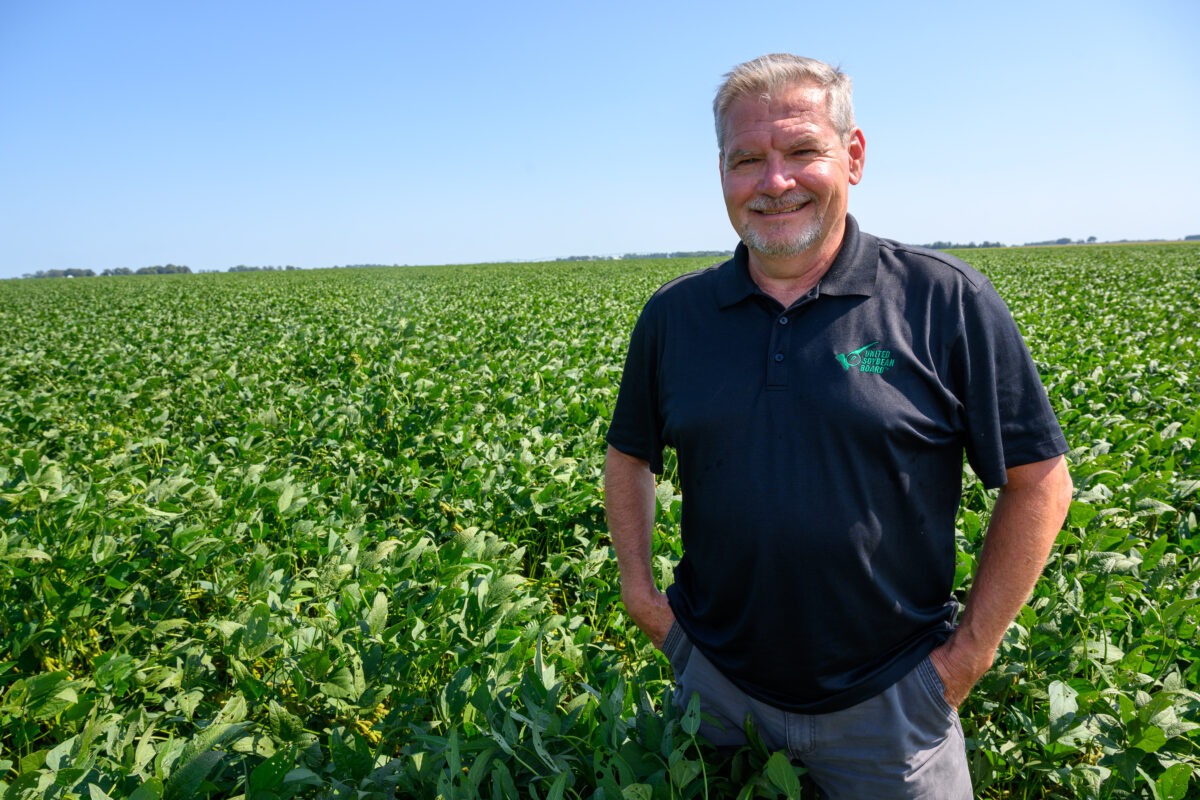
“We’ve been so reliant on the Mississippi River, but we’ve had weather issues in the past, so we need to look at other ports, whether it be East Coast or West Coast,” said Susan Watkins, a soybean farmer from Virginia and United Soybean Board director. “We will continue to move products through our waterways down to New Orleans, but this is another avenue that opens up more markets using rail transportation. Not only will the Port of Houston move our whole soybean, but it moves our meal product as well. We need to push that pile, and they’re envisioning this will be a great opportunity for exports which would benefit all soybean growers throughout the nation.”
Through this investment, soybean farmer leaders are addressing several major priorities of the soybean industry:
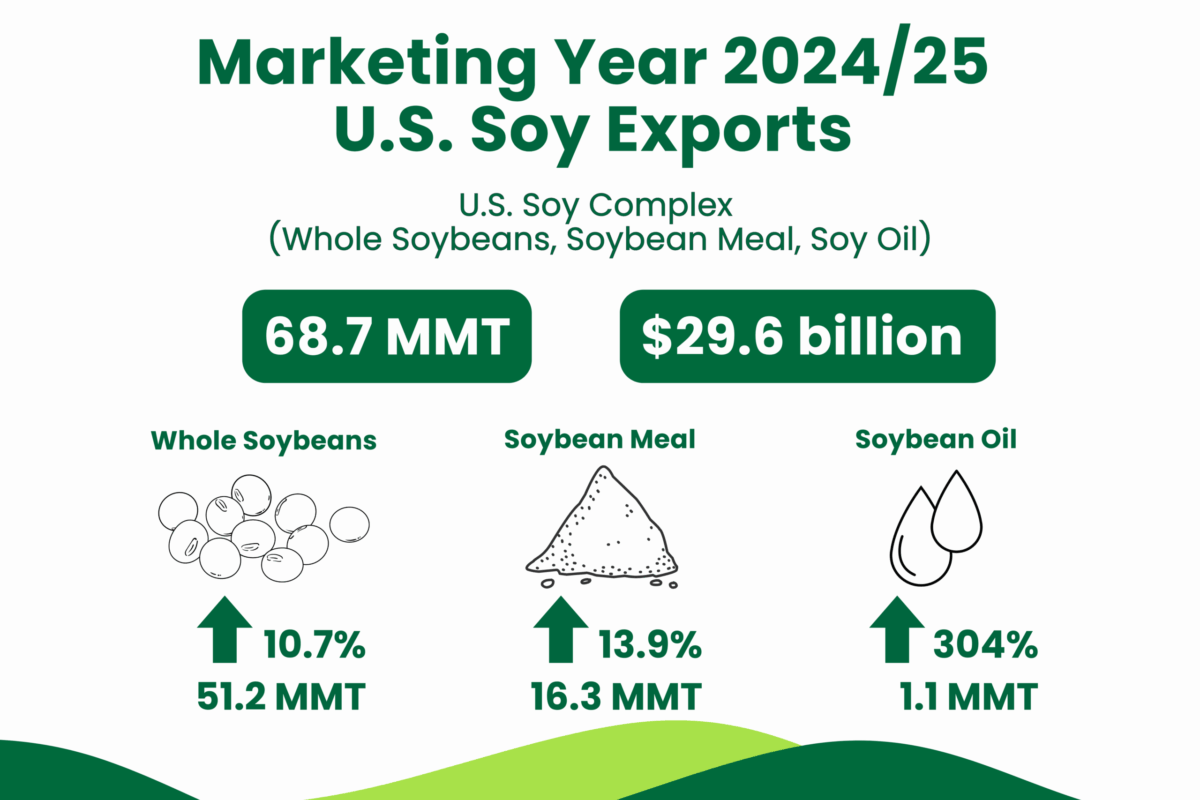
- Increasing soybean meal export capacity: One of the significant developments in the U.S. soybean industry continues to be the investment in processing facilities in order to produce more soybean oil for renewable fuels. The additional production of soybean oil will result in an additional production of soybean meal. While much of this additional soybean meal will be consumed by the domestic livestock industry, it is increasingly essential to invest in additional export capacity to connect with international markets.
- Increasing resilience of the supply chain: Given the continued challenges the soybean industry has experienced with low water conditions on the Mississippi River, it is important to promote diversity of the supply chain by “spreading the eggs across more baskets.” The soybean meal that will be shipped to the facility at the Port of Houston will be transported via BNSF Railway or Union Pacific Railroad. It will not utilize the inland waterway system.
- Diversifying international markets: Given the significant challenges confronting soybean exports due to the curtailment of the Chinese market, it is imperative to pursue “base hit” marketing opportunities for soybean meal and soybeans. The identified markets for the Houston export terminal are: Middle East/North Africa, the Caribbean, Latin America, and Asia.
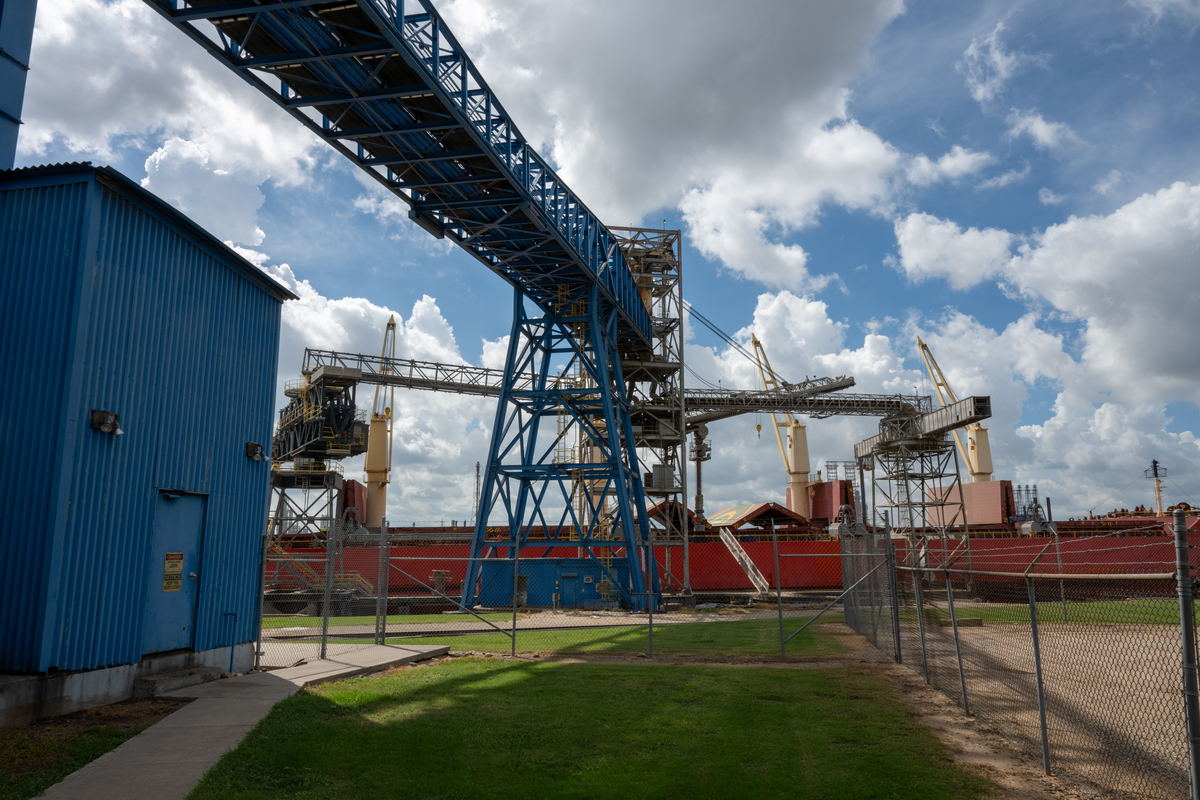
With storage capacity of 6.3 million bushels, the Houston facility supports the export of more than two million metric tons of grain annually and will include up to 22,000 metric tons for storing soybean meal for export.
The Andersons projects that the primary states that will supply the soybean meal to their facility will be: Iowa, Kansas, Minnesota, Missouri, and Nebraska. It is possible other states will feed into the facility as well given the expansion of soybean processing throughout the country.
Because the facility at the Port of Houston will result in greater resiliency of both international marketing and the supply chain, the following soybean farmer organizations contributed a total of $275,000 toward pre-engineering expenses for the expansion:
- United Soybean Board
- Soy Transportation Coalition
- Iowa Soybean Association
- Kansas Soybean Commission
- Missouri Soybean Merchandising Council
- Nebraska Soybean Board
The funding will be used for research, analysis, pre-engineering, and design expenses associated with the facility expansion at the Port of Houston. The Andersons, the owner of the facility, will assume the costs of the actual construction of the project.
The ceremonial $275,000 check was presented to The Andersons by a group of soybean farmer leaders at Port Houston’s headquarters. The group also received a tour of the export terminal and an update on the expansion project.
“We sincerely appreciate the opportunity to work with soybean farmers on this important investment,” said Matt Dvorak, Houston business manager at The Andersons. “As domestic soybean crush increases, we are identifying new opportunities for the export of soybean meal via our Houston facility. We look forward to working with the Soy Transportation Coalition and the broader soybean farmer community on this project, which will help connect U.S. soybean meal with international customers.
###
About United Soybean Board: United Soybean Board’s 77 volunteer farmer-leaders work on behalf of all U.S. soybean farmers to achieve maximum value for their Soy Checkoff investments. These volunteers create value by stewarding investments in research, education and promotion with the vision to deliver sustainable soy solutions to every life, every day across the priority areas of Health & Nutrition, Innovation & Technology, Infrastructure & Connectivity and Exports. As stipulated in the federal Soybean Promotion, Research and Consumer Information Act, the USDA Agricultural Marketing Service has oversight responsibilities for USB and the Soy Checkoff. For more information on the United Soybean Board, visit unitedsoybean.org.
How did you like this article?