
The infrastructure your soybeans depend on: USB’s push to modernize the supply chain
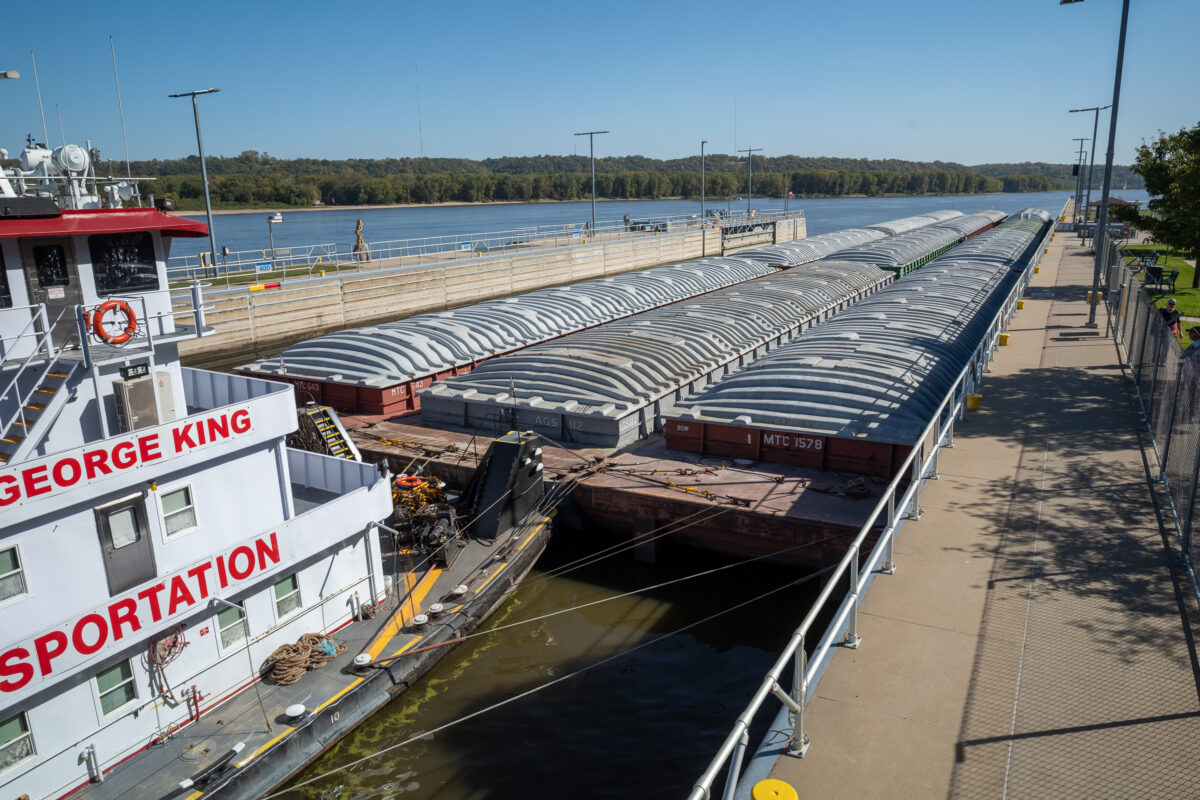
Even in uncertain times, global buyers can count on U.S. Soy’s℠ reliable, efficient supply chain. Each year, U.S. soybean farmers deliver a consistent supply of high-quality soybeans to customers around the world — backed by strategic investments in infrastructure, logistics, and connectivity.
The United Soybean Board’s (USB) 77 farmer-leaders are focused on creating “Value through Resilience.” That strategy includes investments in physical, digital, and social infrastructure that help move soybeans efficiently and connect farmers to high-value markets. Efforts range from improving rural broadband and transportation networks to supporting climate-resilient soybean research and reducing logistics bottlenecks caused by challenges like low water levels.
A key part of that work is through USB’s partnership with the Soy Transportation Coalition (STC), which identifies and evaluates infrastructure projects that strengthen the movement of soybeans and soy products. USB provides funding and strategic direction, while STC conducts transportation analysis tied to projects such as port expansions, dredging, and freight efficiency improvements.
USB has supported research, analysis, and design work tied to major projects, including dredging the lower Mississippi River to 50 feet and expanding terminal capacity at the Port of Grays Harbor and the Port of Houston. Even more recently, USB, together with other soy organizations, invested in the pre-engineering, design, research, and analysis expenses associated with the Virginia Portsmouth Agricultural Intermodal Export Facility.
“The U.S. has the most cost-effective, resilient, redundant supply chain of any soy-producing country in the world,” says Mike Steenhoek, executive director of STC.
That resiliency comes from a diverse transportation network. Waterways and freight rail move soybeans efficiently over long distances, while trucks provide critical first- and last-mile connections between farms, elevators, processors, and ports.
“Our diversity in export regions helps distribute soybeans and soy products across multiple channels,” Steenhoek says. “That flexibility strengthens reliability for customers.”
USB Director Robert Alpers, a Missouri farmer who has served on USB’s Infrastructure and Connectivity Committee, says dependable supply remains one of the biggest priorities for international customers.
“Our buyers can pick up the phone 365 days a year, and we will get soybeans to them,” Alpers says. “Dependability may be even more important to buyers than quality. Our supply being available all the time is worth a lot — and they also recognize the superior quality of U.S. Soy.”
Steenhoek says that level of farmer engagement is unique in the global marketplace.
“For international customers, there’s real value in seeing farmers directly invested in supply chain performance,” he says. “There’s a strong commitment not just to talk about reliability, but to invest in it.”
How did you like this article?
