Checkoff Impact
Checkoff Impact Over the Years
The Checkoff Era Begins
The establishment of the national Soy Checkoff took farmer participation and coordination to a new level, unlocking the innovative potential of our nation’s agricultural community.
U.S. Congress establishes the national Soy Checkoff.
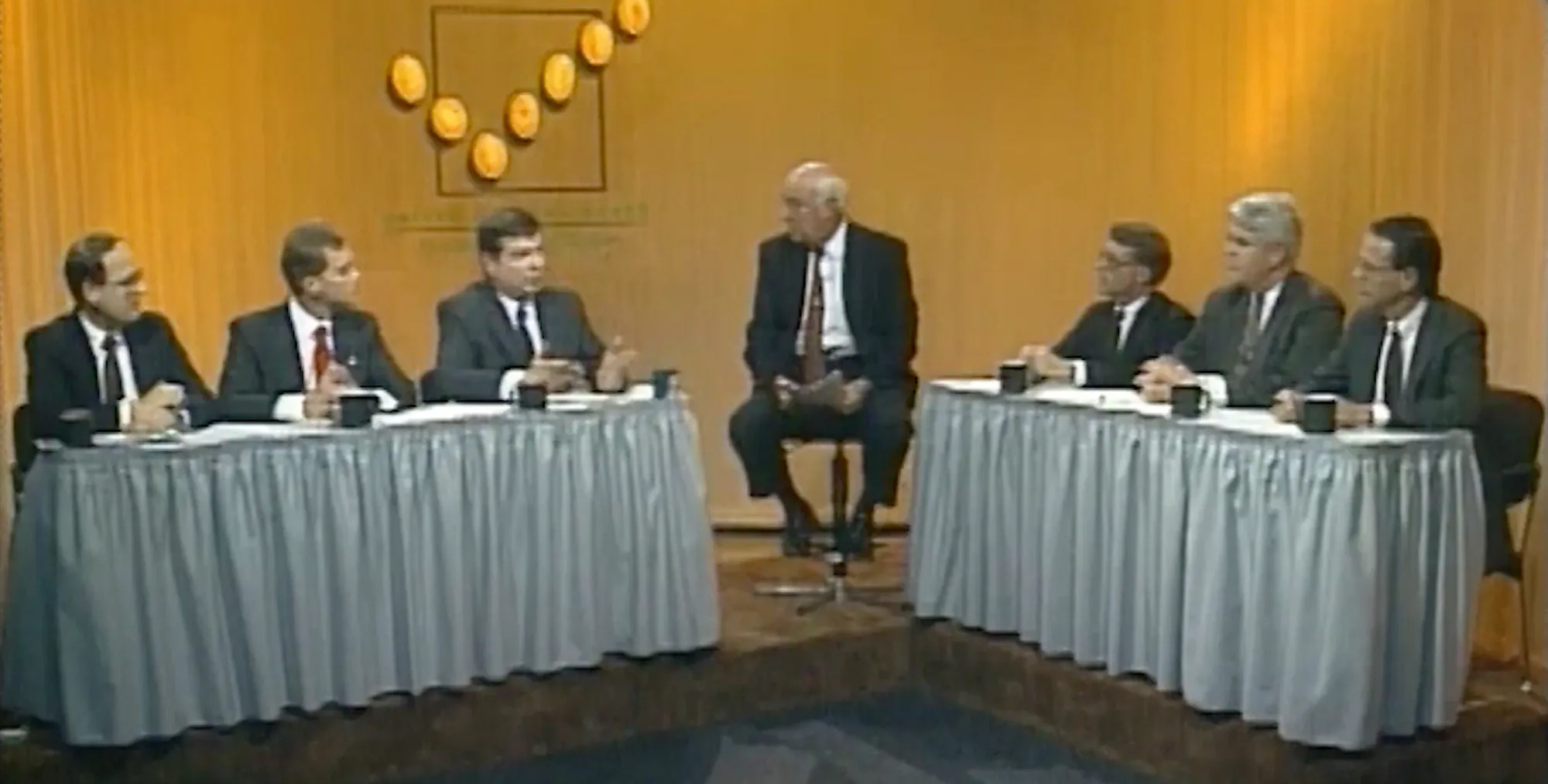
The University of Missouri and Missouri Soybean Merchandising Council fund research on soy-based mono-alkyl esters as a diesel fuel replacement.
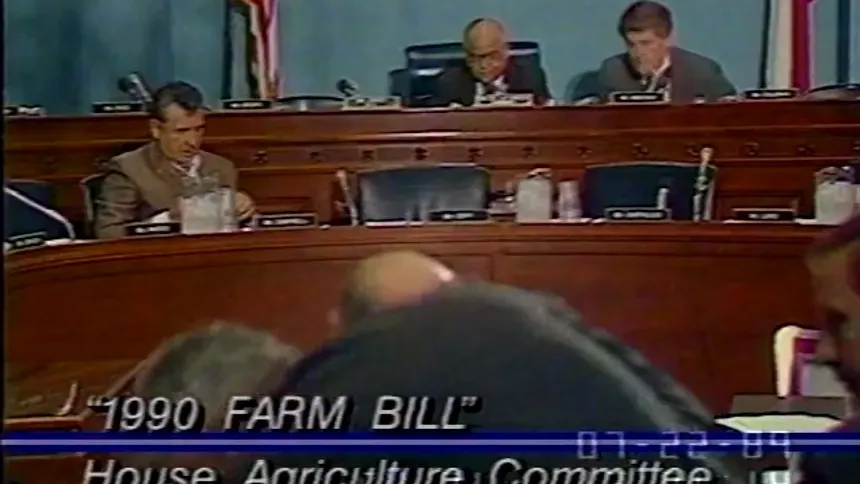
The United Soybean Board (USB) is formed following the publication of the Soybean Promotion and Research Order under the 1990 Farm Bill to administer Soy Checkoff investments.
The USDA Secretary appoints 62 farmers from 31 states and regions to serve on the USB Board of Directors.
U.S. Soy℠ conducts its first aquaculture feeding trials in Asian markets to demonstrate how soy can be used as fish feed.
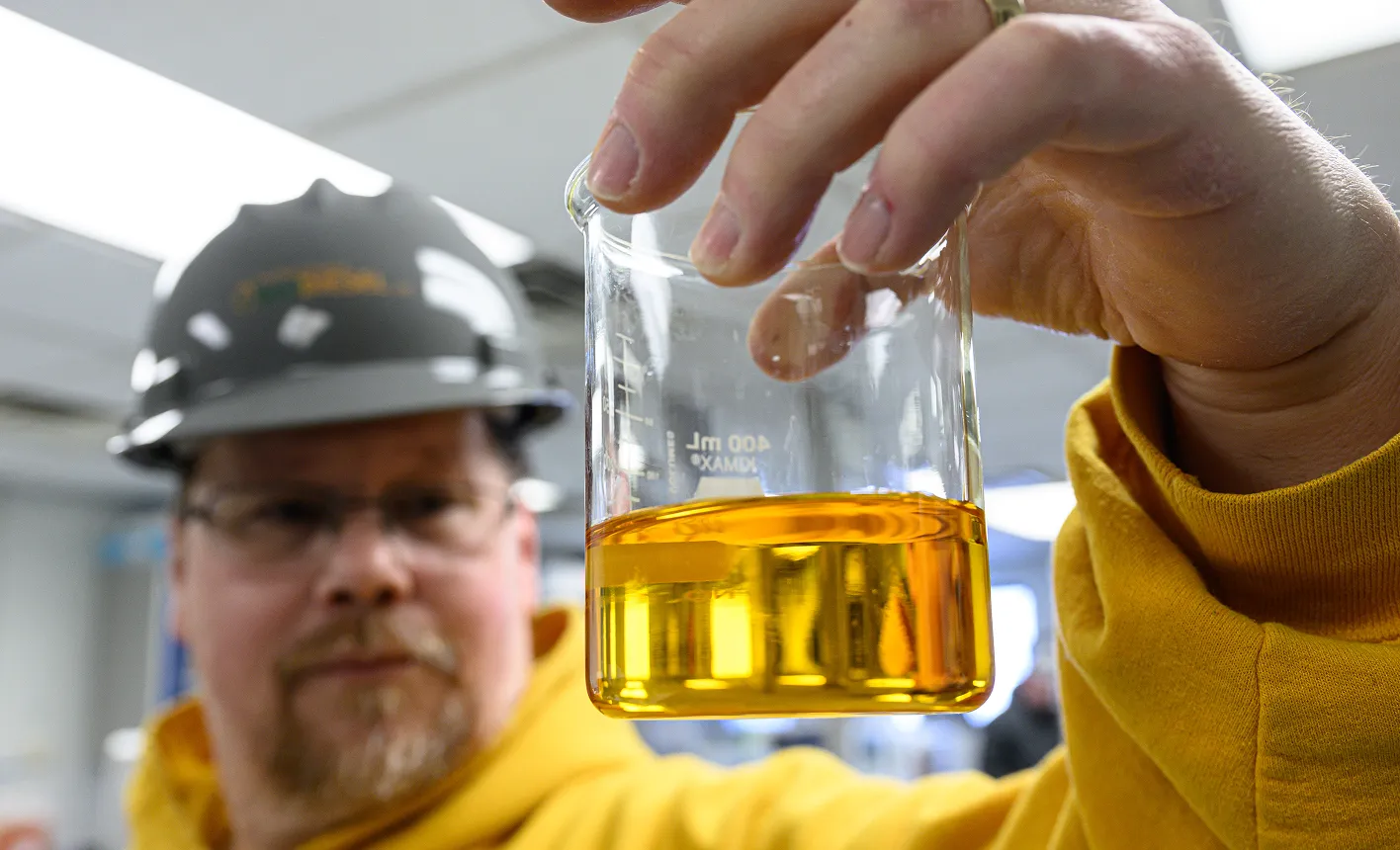
USB partners with state soybean boards to help drive the development and commercial launch of soy-based biodiesel.
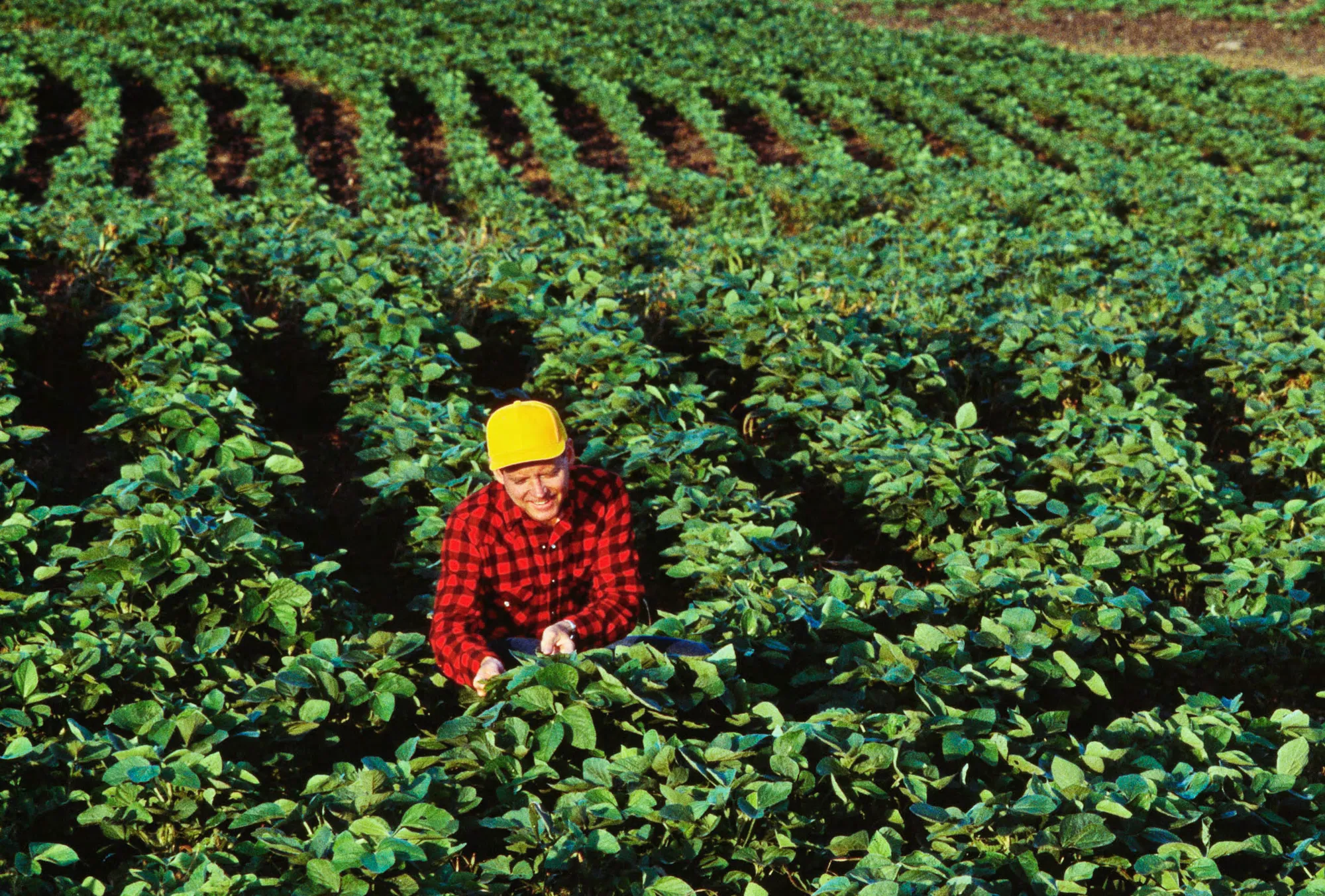
Soybean farmers vote in a national referendum to continue the checkoff program, reaffirming their commitment to research and promotion efforts.

China accelerates soybean imports as part of its grain self-sufficiency policy, strengthening its role as a major market for U.S. soybeans.
U.S. Soy opens offices in India and the Philippines. Today, the Philippines is a leading importer of U.S. soybean meal.
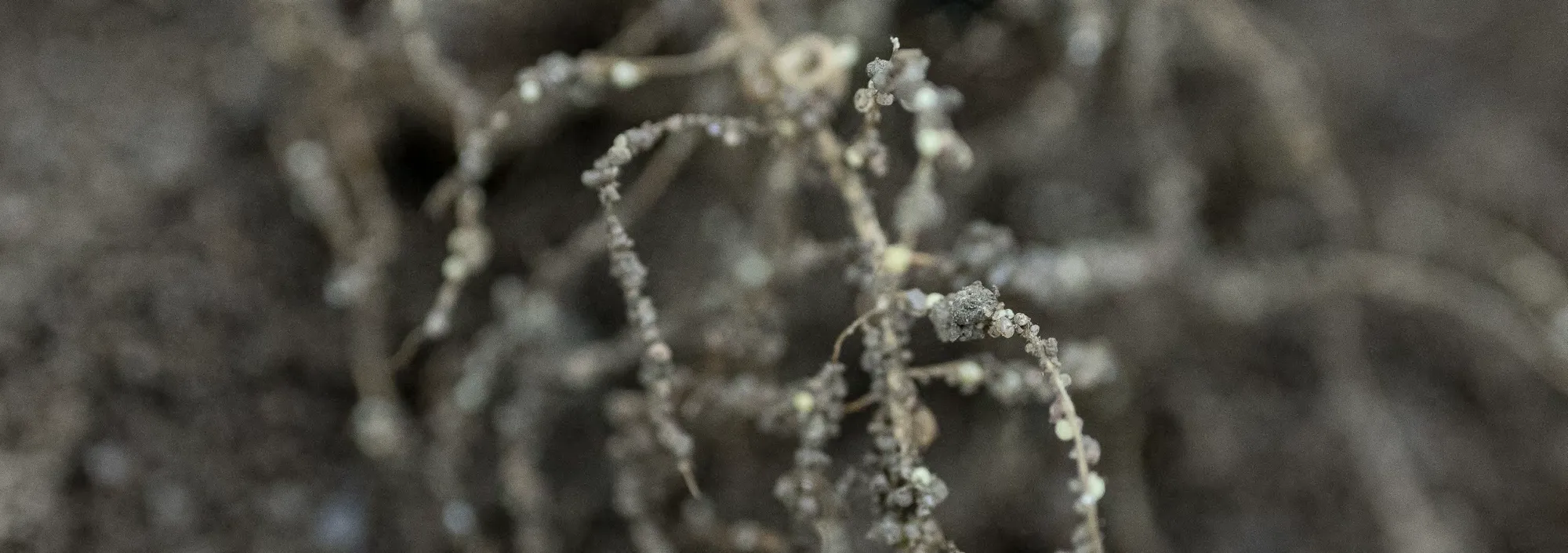
The first Soybean Cyst Nematode Coalition is created with Soy Checkoff funding to address the most significant soybean pest.
The Soy Checkoff publishes the Early Soybean Production System Handbook, co-edited by Dr. Larry Heatherly, USDA-ARS, and Dr. Glenn Bowers, Texas A&M University.
USB launches the Better Bean Initiative (BBI), which aims to improve soybean composition to drive higher demand across industries.
Accelerating Growth & Innovation
With its foundation in place, the checkoff shifted into growth mode. During this time, coordinated, sustained investment produced compounding results.
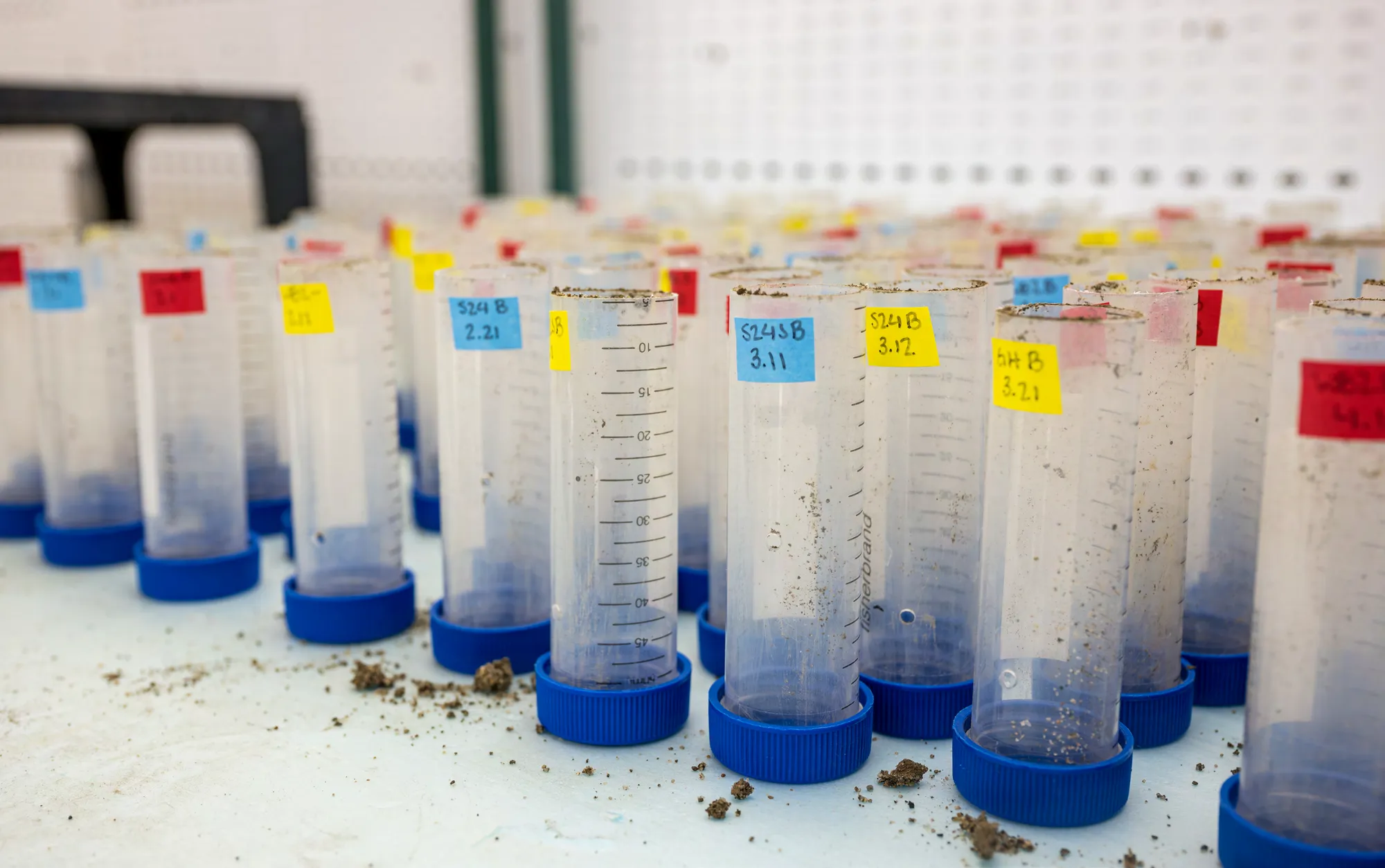
The first soybean variety developed through the Better Bean Initiative (BBI) is harvested in North Carolina.
China joins the World Trade Organization, solidifying China as the world's largest purchaser of U.S. soybeans.
Korea liberalizes soybean imports under WTO rules, allowing private-sector companies to import U.S. soybeans directly for food use.
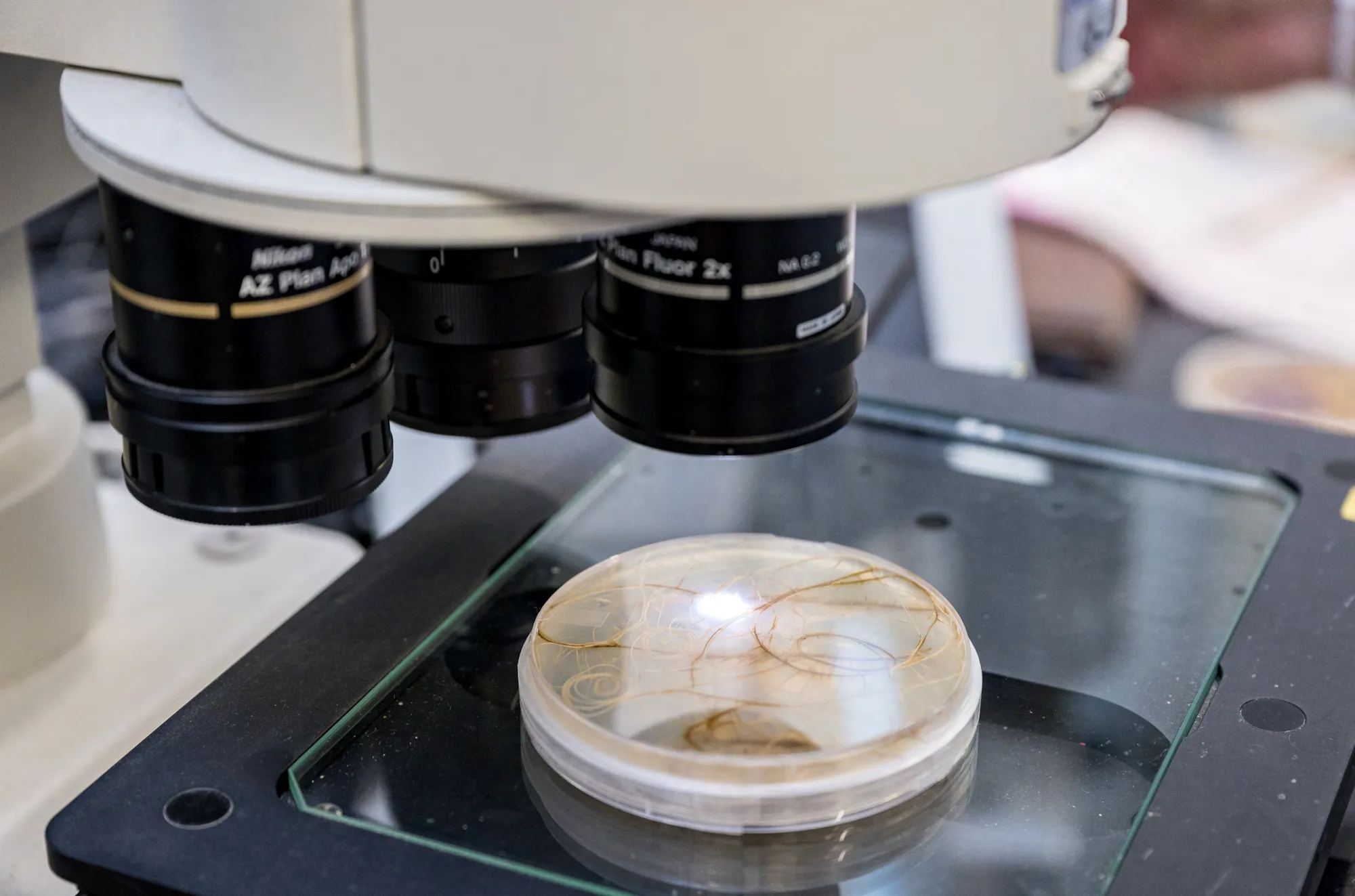
USB approves a new strategic plan for the Better Bean Initiative to develop soybeans with reduced saturated fat and linoleic acid content.
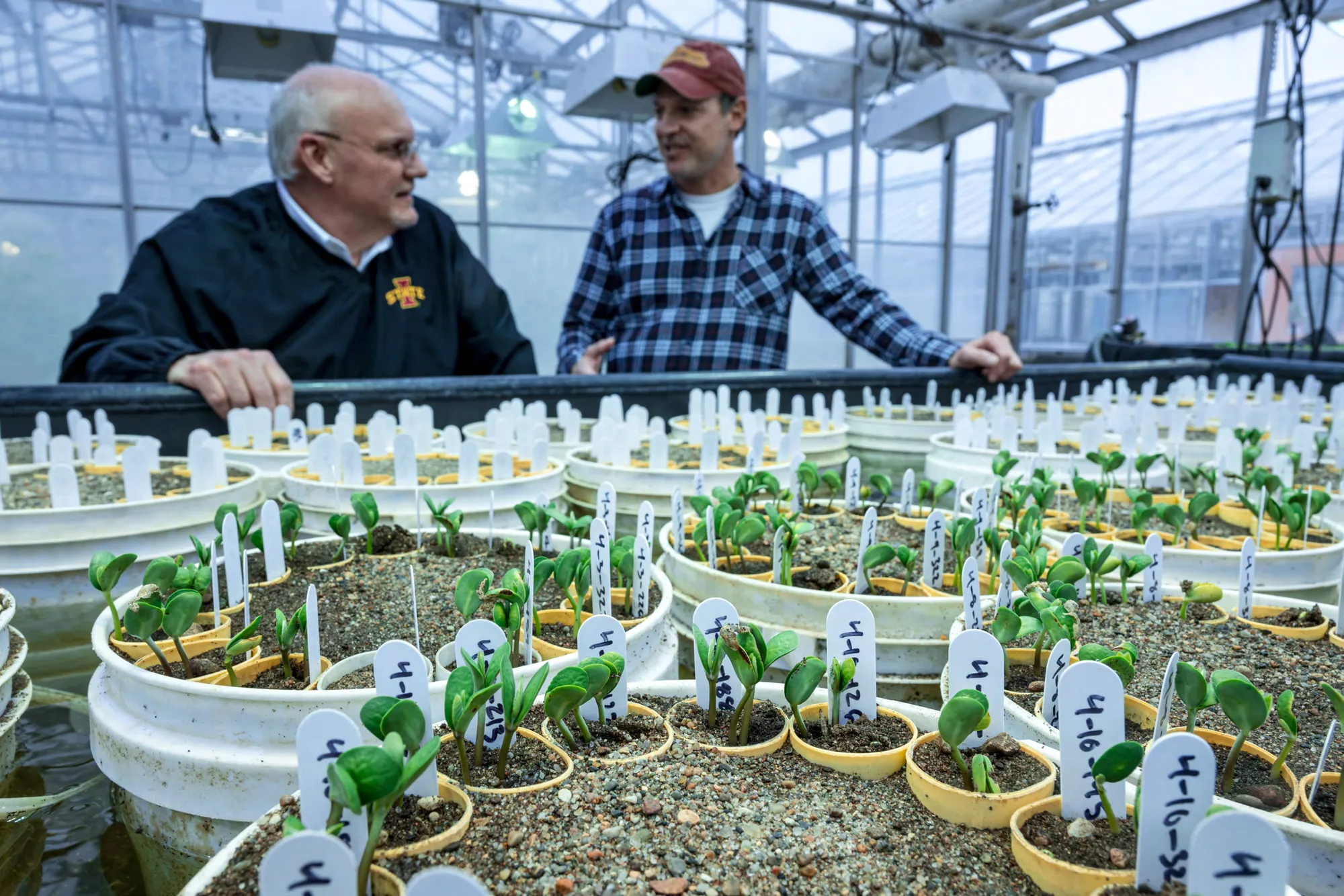
USB collaborates with the USDA to create a national early warning system for soybean rust, helping farmers protect yields.
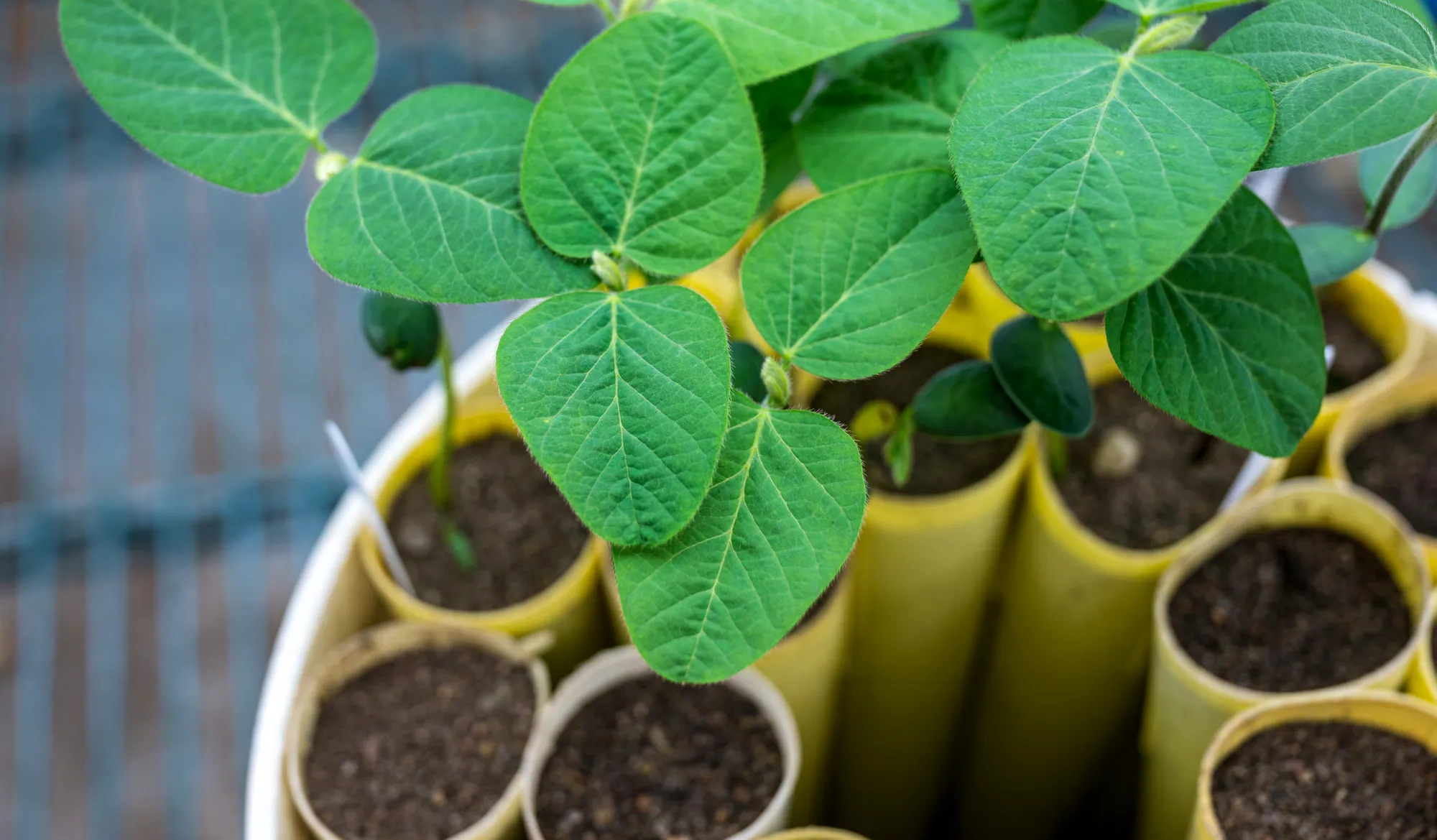
USB establishes the Soy Nutrition Institute — now SNI Global — which provides research to industry and health professionals and serves as a credible resource for information on soy nutrition.
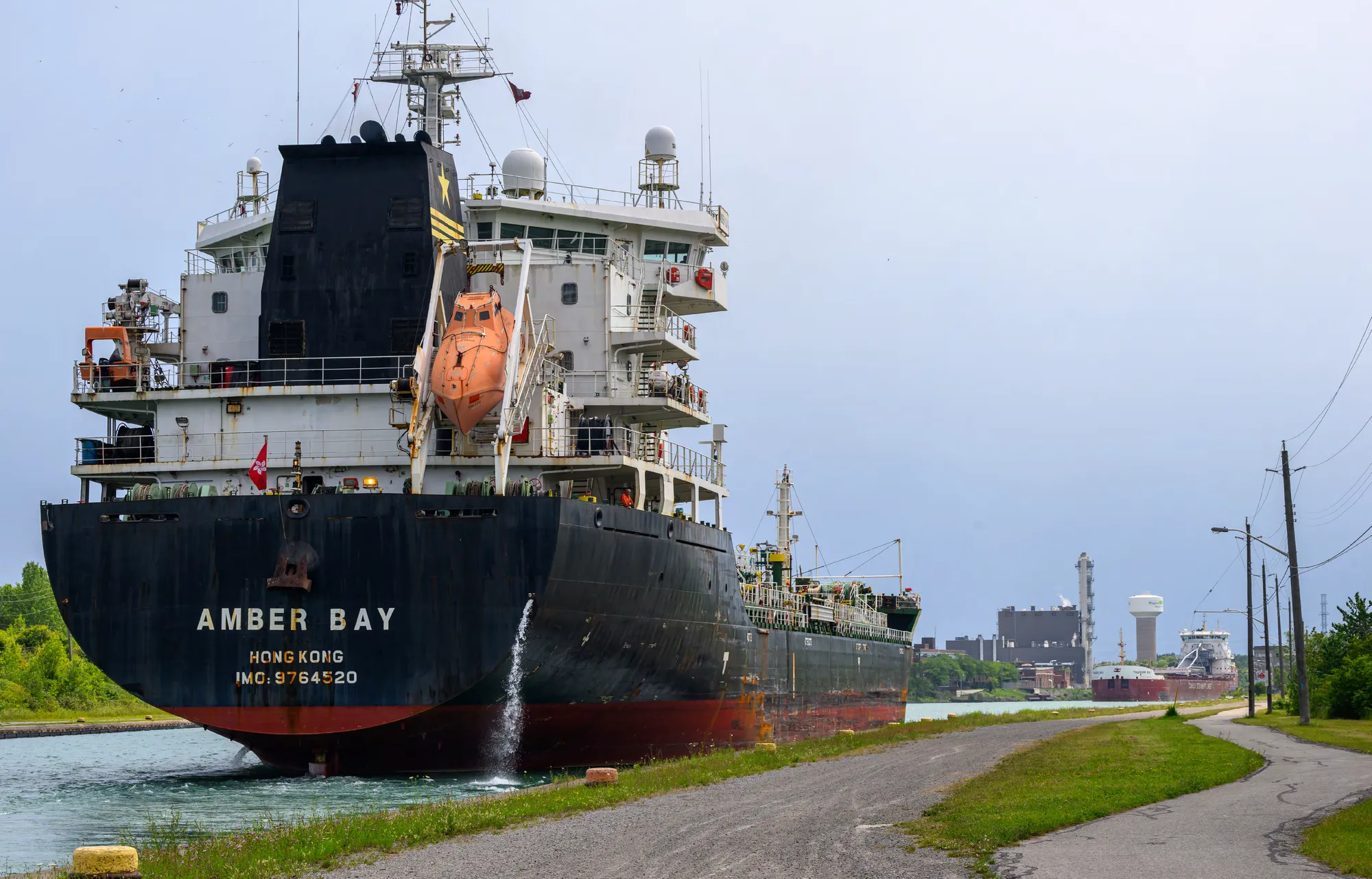
USB and American Soybean Association establish the U.S. Soybean Export Council (USSEC), which becomes fully operational the following year to boost global demand. Today, USSEC has a presence in 90 countries.
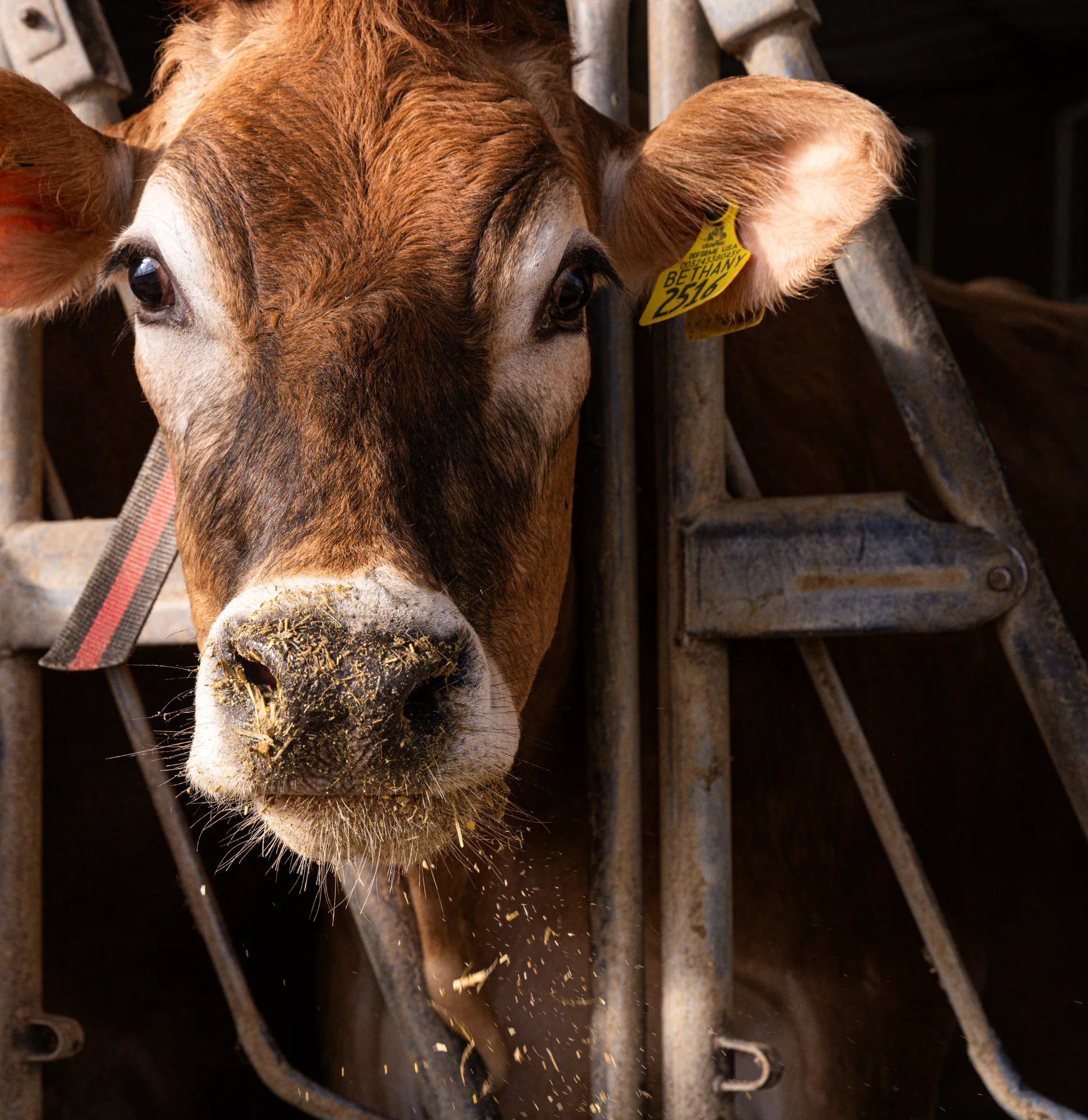
USB launches the Animal Nutrition Working Group to increase soybean meal use and support animal agriculture profitability.
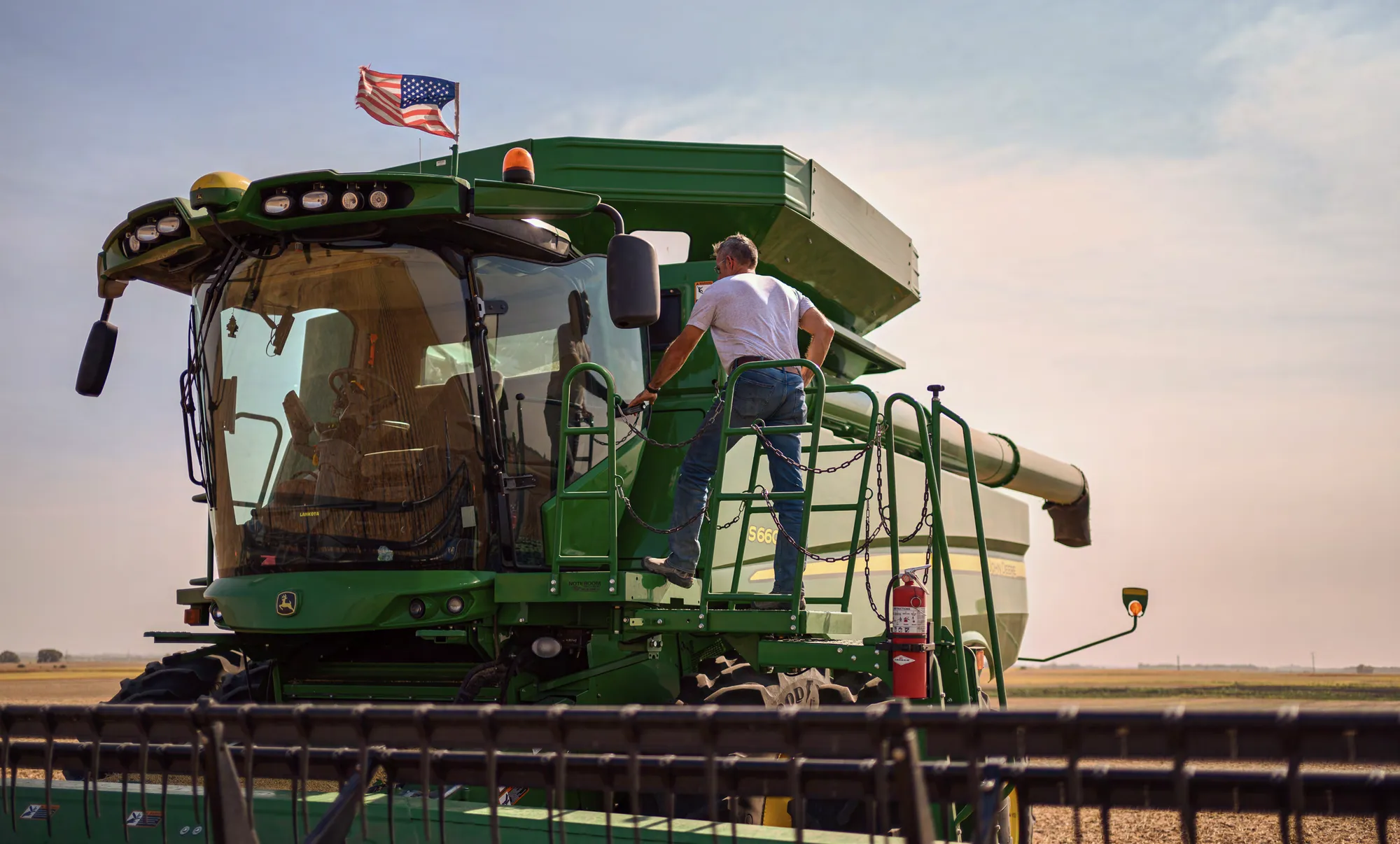
Checkoff investments in international marketing help propel U.S. soybean exports to a record 1.5 billion bushels.
USB partners with the National Science Foundation to help map the soybean genome, accelerating the development of soybean varieties.
Sustainability Takes Center Stage
As buyer expectations shifted, the checkoff moved to meet them. This decade turned U.S. Soy's sustainability credentials into a competitive advantage.
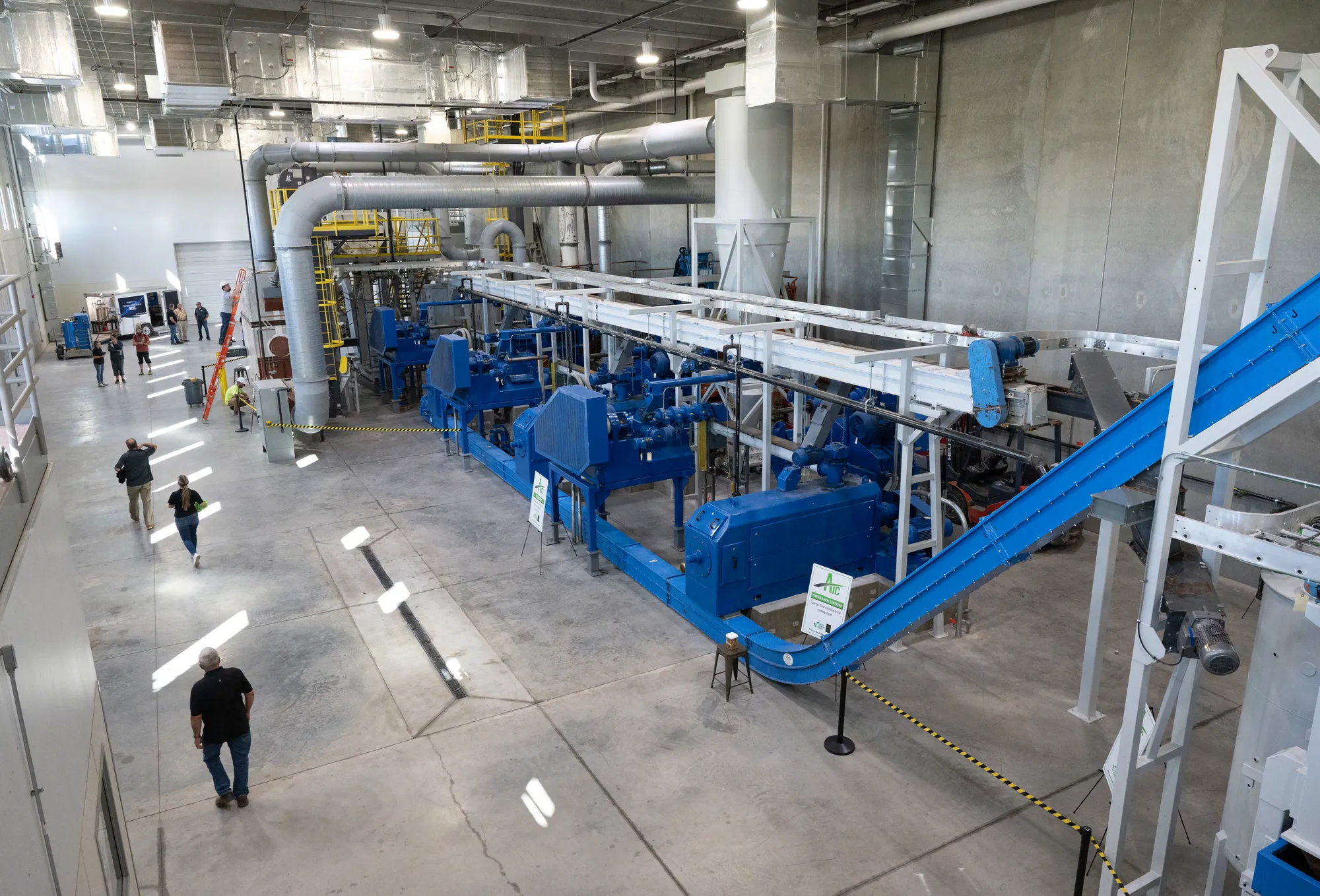
High oleic soybeans are commercially launched, delivering improved oil functionality and long-term value for farmers.
USSEC takes part in a multi-stakeholder process to establish the U.S. Soy Sustainability Assurance Protocol (SSAP), which aims to provide customers a trusted, credible way to demonstrate their commitment to sustainable sourcing. Between 2024 and 2025, SSAP-verified shipments rose 15%, to a total of 71% of U.S. Soy exports earning the verification.
USB collaborates with industry partners and other commodity groups to launch “Take Action,” a platform designed to help farmers manage pesticide resistance.
Through USSEC, USB supports the construction of the first In-Pond Raceway System, improving aquaculture production and sustainability in markets around the world.
USSEC hosts the first U.S. Soy Global Trade Exchange, an annual conference now known as Soy Connext, which convenes 700 leaders from 60 countries around the world* interested in importing U.S. Soy. (Source: U.S. Soybean Export Council)
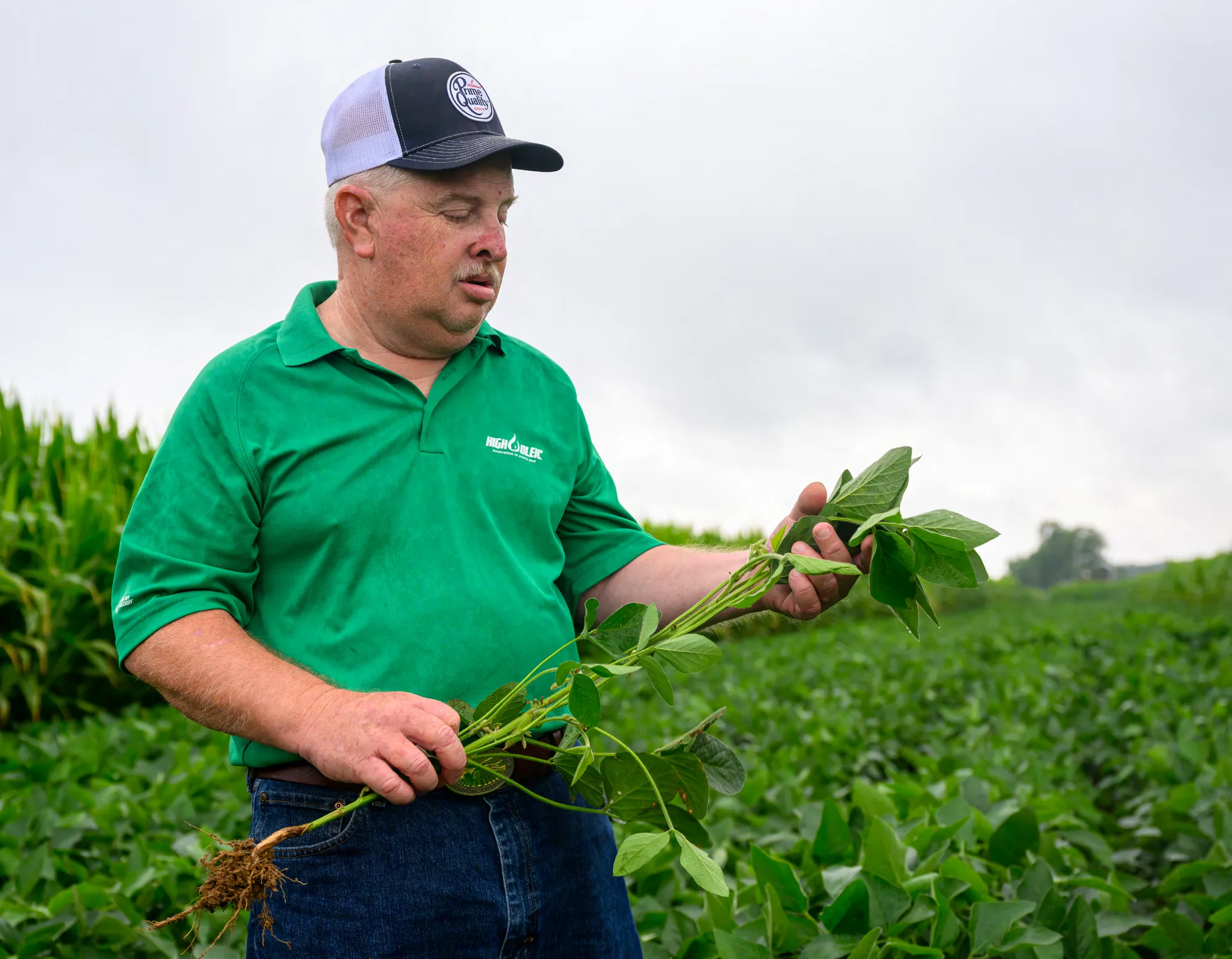
USB partners with seed companies on a five-year plan to advance high oleic soybean varieties.
The first U.S. Soy Continuous Improvement Goals are developed and approved, allowing U.S. soybeans to meet international requirements.
USB launches the first iteration of the National Soy Checkoff Research Database, centralizing checkoff-funded projects across organizations at the state and national level.
USB supports the launch of the Crop Protection Network to advance pest and disease management practices.
The Sustainable U.S. Soy logo is introduced in international markets to label food and feed products made with responsibly grown soy.
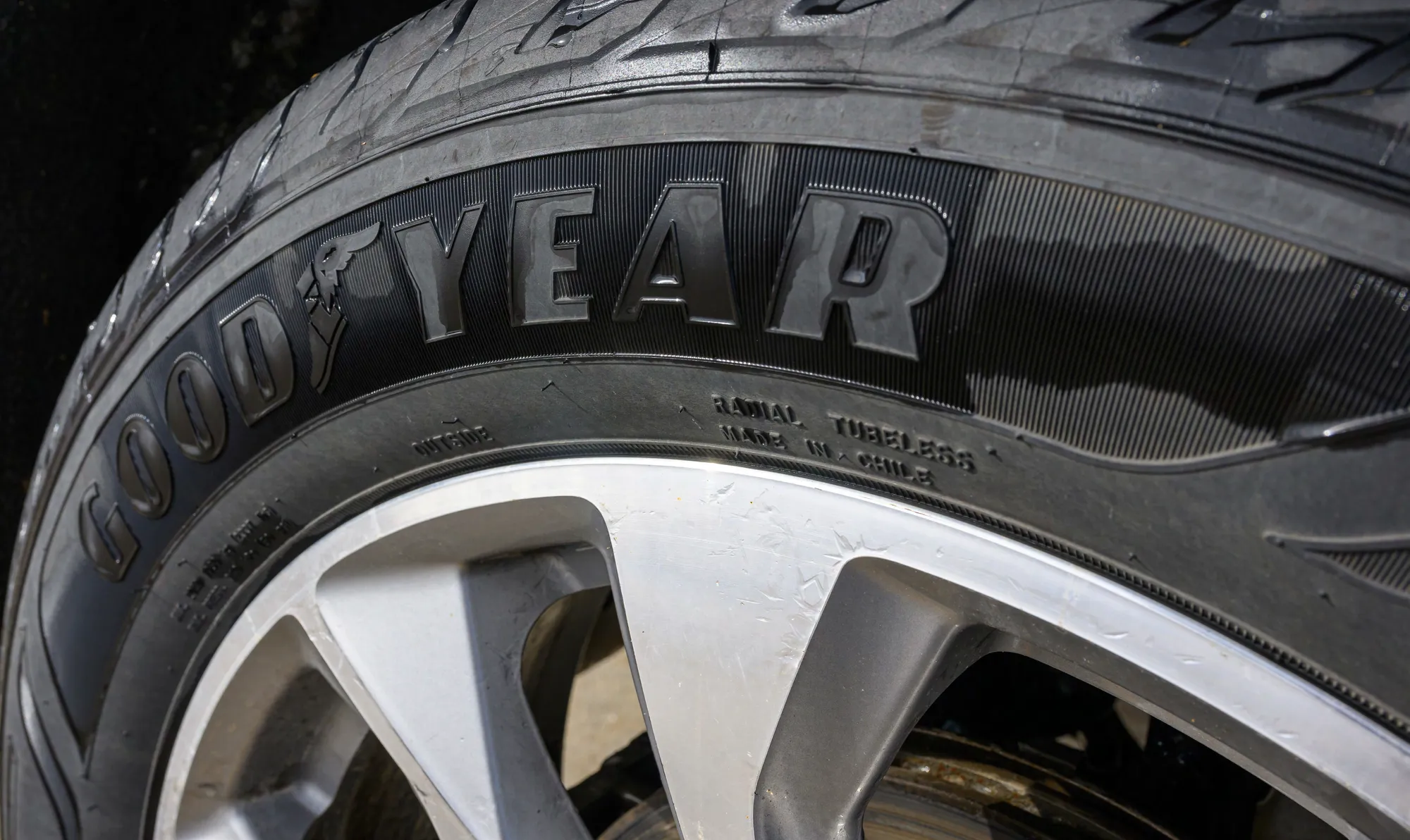
Goodyear releases the first commercial tire made with soybean oil.
The qualified heart health claim for soybean oil is authorized by the U.S. Food and Drug Administration (FDA).
SOYLEIC™, a non-GMO high oleic soybean, is commercially released through a partnership between the University of Missouri, the Missouri Soybean Merchandising Council, and USB. In 2026, SOYLEIC was acquired by Beck’s, the largest family-owned seed company, expanding new market opportunities for U.S. farmers.
A revitalized Soybean Cyst Nematode Coalition is launched to prevent a resistance crisis.
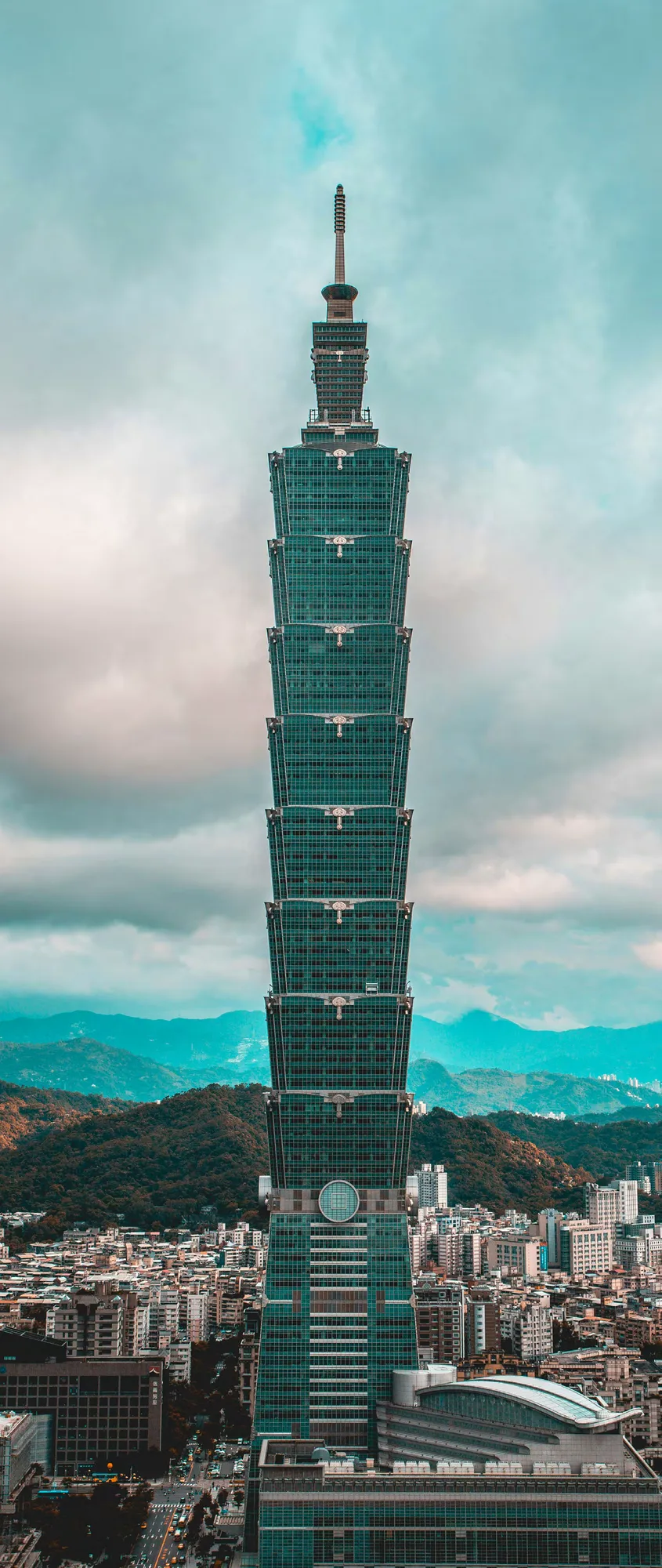
U.S. Soy reaches an 86% market share in Taiwan's soybean imports, leading both the crushing and food-use sectors.
The U.S. Soy Sustainability Assurance Protocol – RED is approved and launched, allowing U.S. soybeans to meet the requirements of the European Union Renewable Energy Directive.
USSEC launches the global Soy Excellence Center to equip early- to mid-career agriculture professionals with essential agribusiness knowledge and practical skills, including operational efficiency of U.S. Soy. Since its inception, the Soy Excellence Center of the Middle East and North Africa has reached over 33,000 participants across 13 countries, with 200 training programs completed.
Expanding Impact & Resilience
The checkoff is now operating at full scale across markets, infrastructure, and innovation. The work is broader and more farmer-relevant than ever.
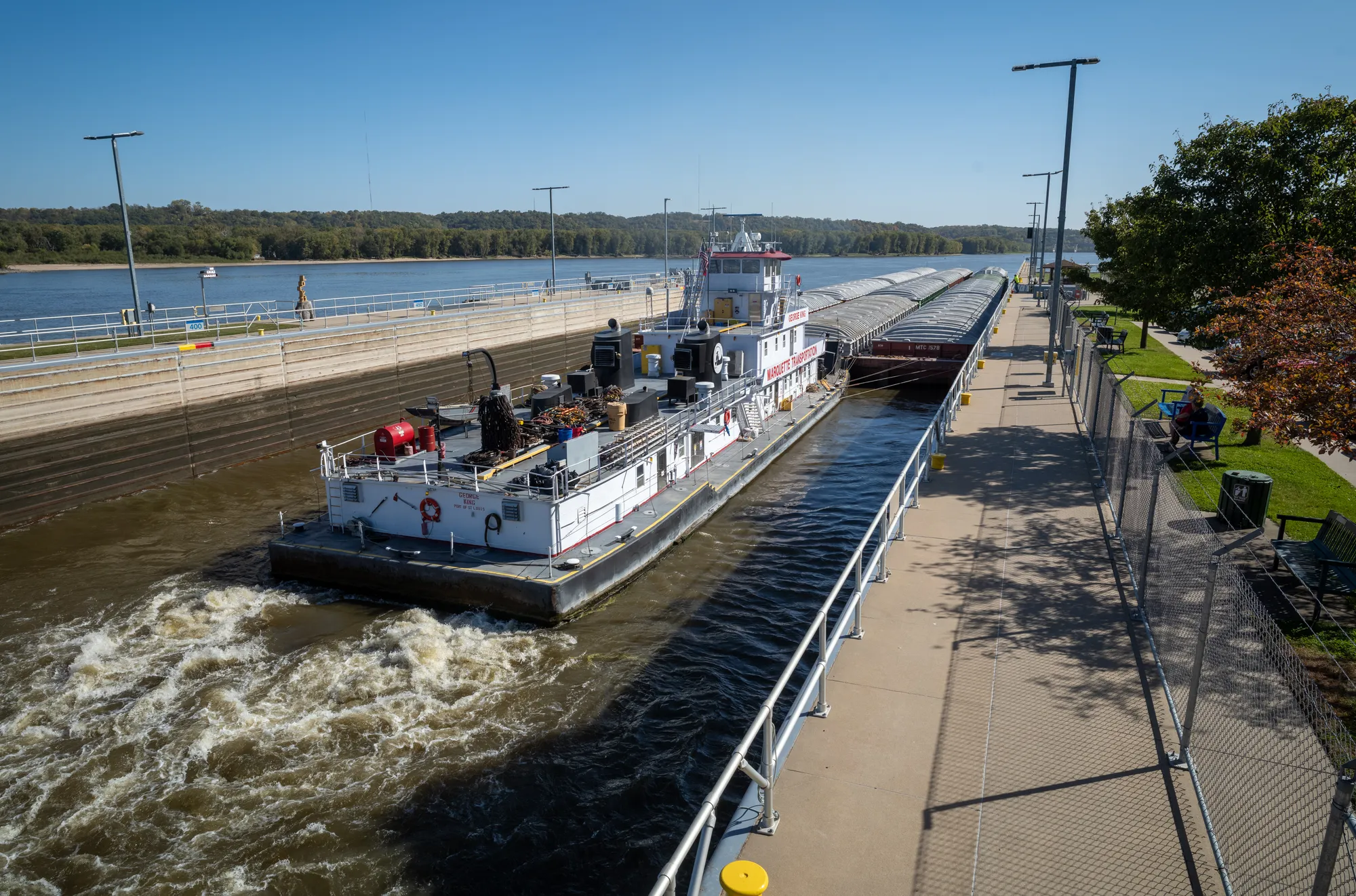
The U.S. Army Corps of Engineers approves the lower Mississippi River deepening project, which is expected to lower barge river elevator rates by 13 cents a bushel and increase revenues by $461 million. (Source: United Soybean Board)
The U.S. and China sign the Phase One trade agreement in January, including major agricultural purchase commitments with soybeans as a principal component.
The Soy Checkoff launches a redesign of the Soybean Research Information Network website, which turns technical results into clear, practical information for farmers.
Nearly 100% of U.S. soybeans shipped to Japan carry SSAP certification, reflecting Japan's commitment to sustainable sourcing.
The Soy Nutrition Institute is reorganized and renamed SNI Global with an expanded mission.
USSEC establishes the Fed with Sustainable U.S. Soy label, which is introduced to the international market. Currently, the Sustainable U.S. Soy and Fed with Sustainable U.S. Soy labels are used by about 150 companies across 22 countries on more than 1,200 products. (Source: United Soybean Board)
USSEC opens a regional office in Dubai.
High oleic soybean adoption reaches 1.1 million acres across 16 states.
The signing of a Sustainability Memorandum of Understanding with Bangkok Produce Merchandising (CP Foods) anchors U.S. soy in CP’s sustainability strategy.
A partnership with Vietnam Airlines for the SkyTeam Sustainable Flight Challenge puts U.S. soybean ingredients in inflight meals.
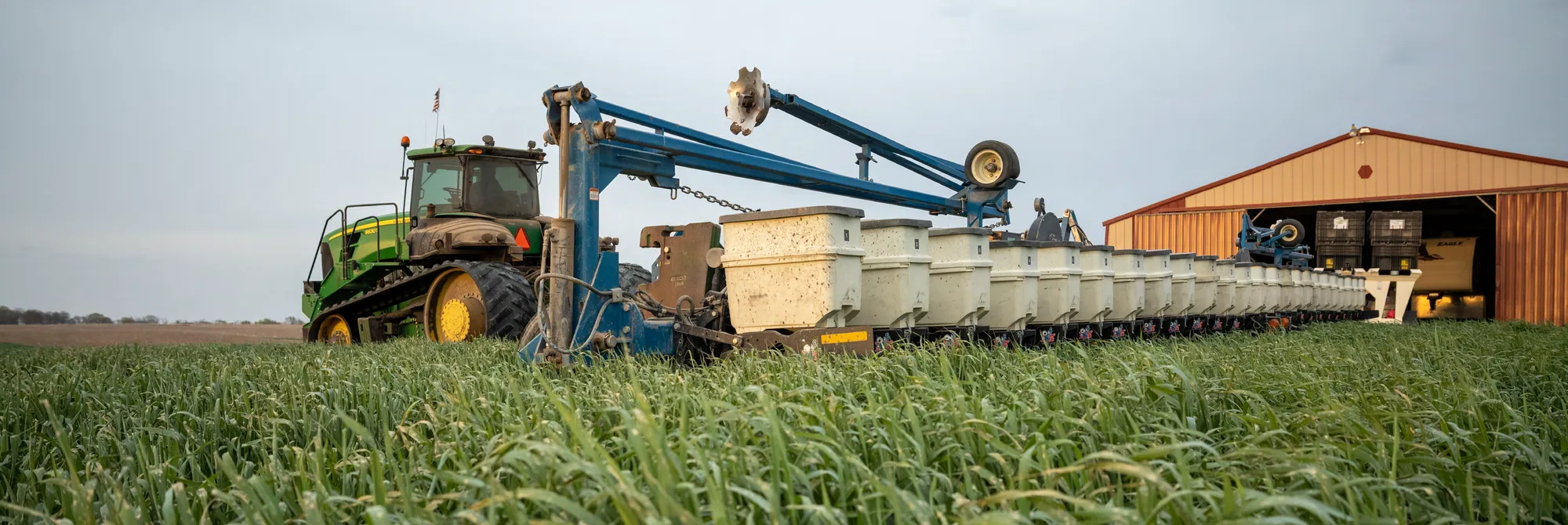
The Codex Alimentarius Commission, an international commission formed by the UN's Food and Agriculture Organization (FAO) and the World Health Organization (WHO) to protect consumer health and promote fair practices in food trade, adopts the first global standard for high oleic soybean oil.
Updated U.S. Soy Continuous Improvement Goals are developed and approved. 2030 sustainability goals aim to reduce land use impact by 10%, soil erosion by 25%, energy use by 10%, and greenhouse gas emissions by 5%. (Source: United Soybean Board)
The Carbon Footprint of U.S. Soy becomes available to international customers on SSAP certificates.
USB investment in high oleic soybean development surpasses $130 million, returning nearly $400 million in premiums to farmers adopting the trait. (Source: United Soybean Board)
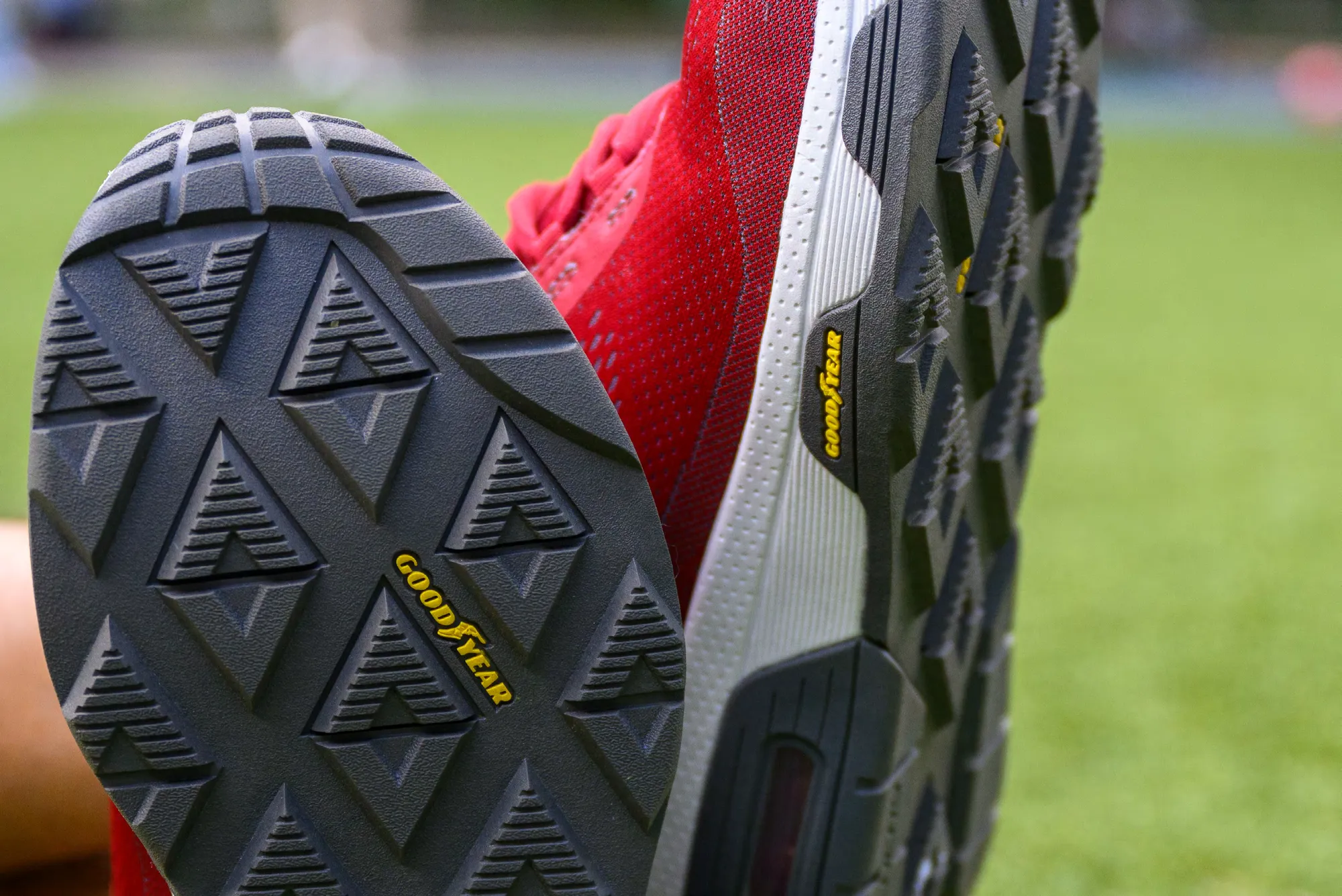
Skechers integrates soy-based rubber — originally developed for Goodyear tires — into over 170 shoe styles.
Domestic use of soybean oil in fuel surpasses food use for the first time, with over 11 billion pounds of soybean oil going into biofuels.
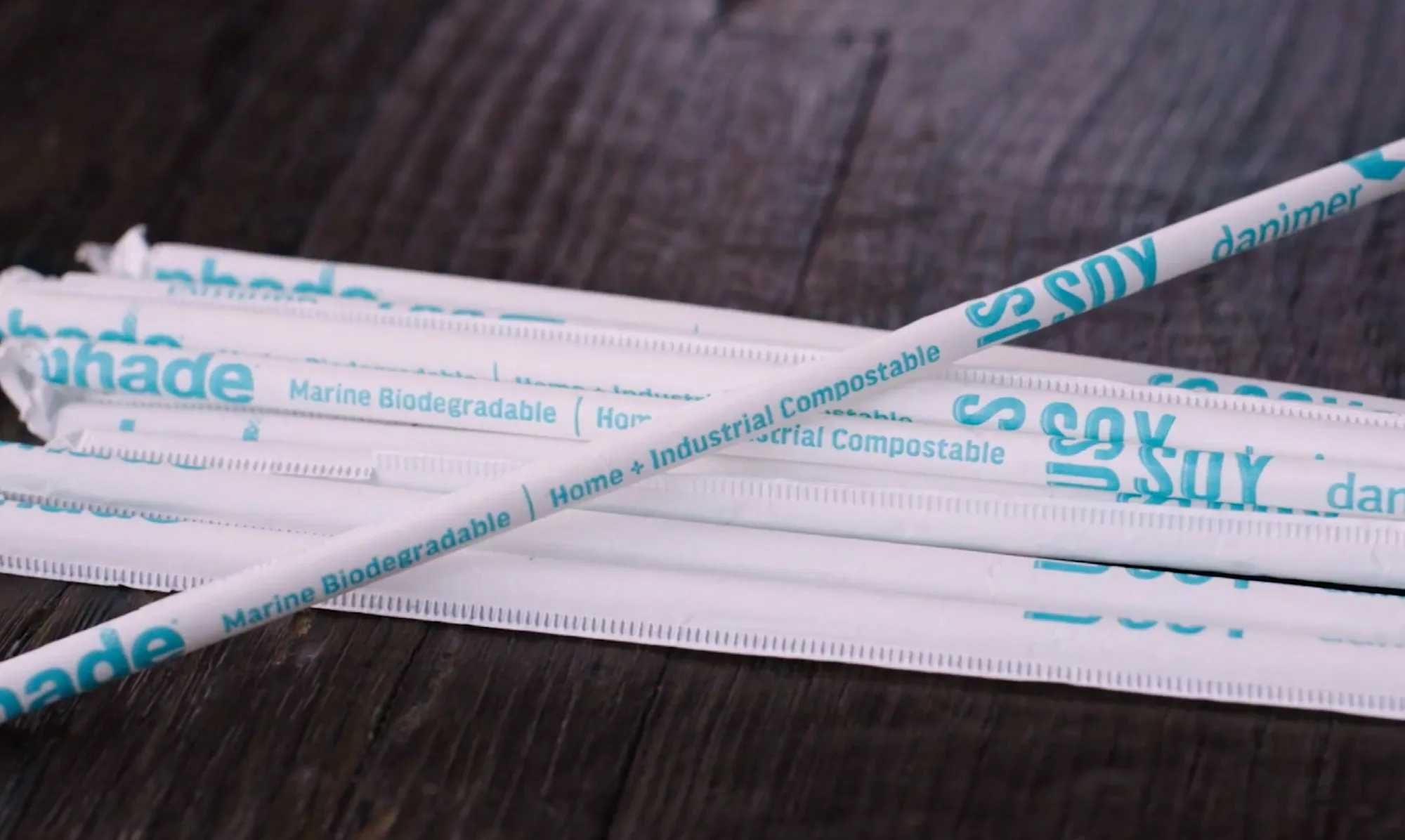
USB develops biodegradable plastic straws using high oleic soybean oil that are both soil and marine biodegradable.
Dairy cow consumption of high oleic soybeans eclipses production from 400,000 acres.
USSEC works with SNI Global to extend soybean health claims to markets in Southeast Asia, Latin America, and South Asia.
What’s Coming Next
The progress built over decades is still accelerating. See where the checkoff is driving growth next for U.S. soybean farmers.