How It Works
Structured to Serve Soybean Farmers
The Soy Checkoff℠ is built around a clear structure that governs how farmer investment is collected, directed, and kept on track.
.webp)
Dividing Contributions
Supporting State and National Soybean Boards
When soybeans are sold, farmers contribute 0.5% of the market price per bushel to the Soy Checkoff.
For every $100 of soybeans sold, $0.50 is collected.
1
Farmers sell their soybeans
As soybeans make their way to the elevator, processor, river, or wherever they may go after harvest, every bushel contributes to checkoff investments.
2
Half of 1% of is collected
Half of 1% of the total selling price is collected per the Soybean Promotion, Research, and Consumer Information Act and Order.
3
Farmer contributions are split
Half of the 0.5% contribution goes to the farmer’s state soybean board, and the other half goes to the United Soybean Board, which administers the national Soy Checkoff.
4
Contributions are strategically invested
State-level investments are focused on local priorities, and national investments fund the long-term strategic investments that drive soybean supply and demand.
How your investment is distributed
50%
United Soybean Board
Funds production research, market development, and demand-building on behalf of all U.S. soybean farmers, governed by 77 farmer-leaders from across the country.
50%
Local State Soybean Boards
Support state-level research and promotion programs tailored to the needs of farmers in their state.
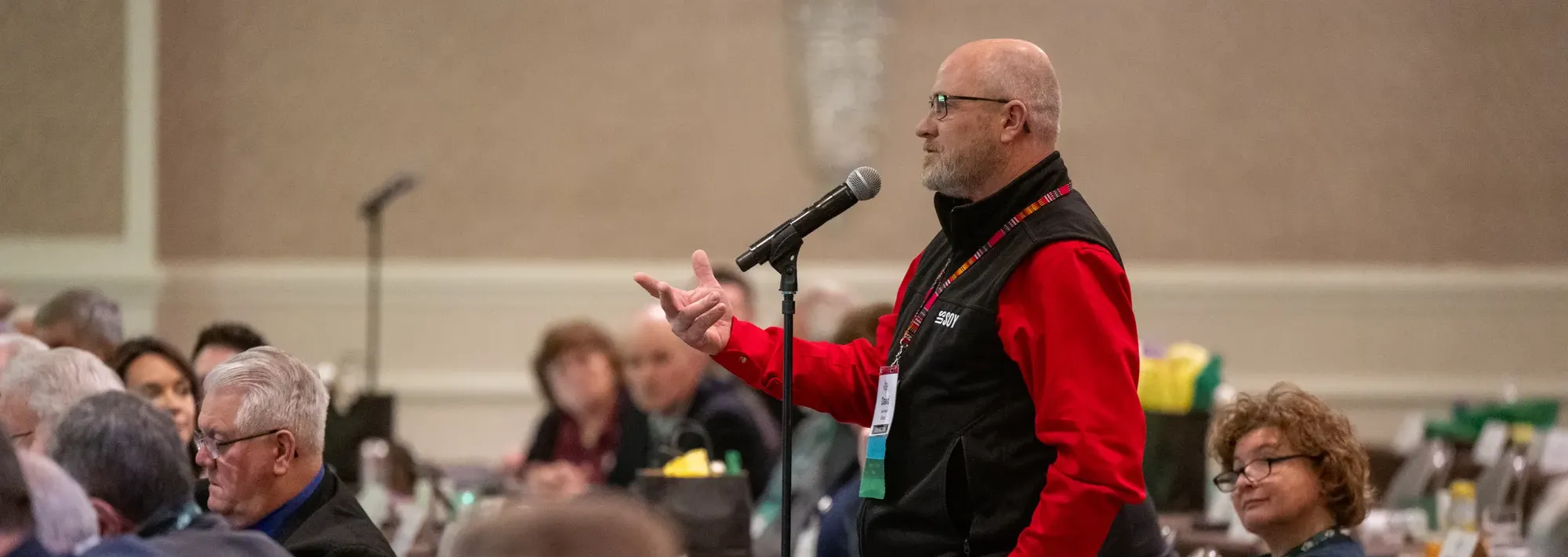
Allocating Funds Strategically
Checkoff dollars are directed toward three focus areas: research, promotion, and education. Together, they work to strengthen the U.S. soybean industry.
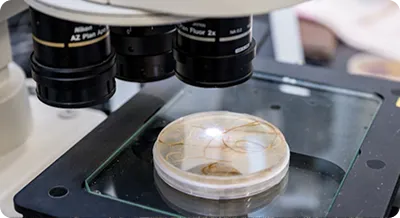
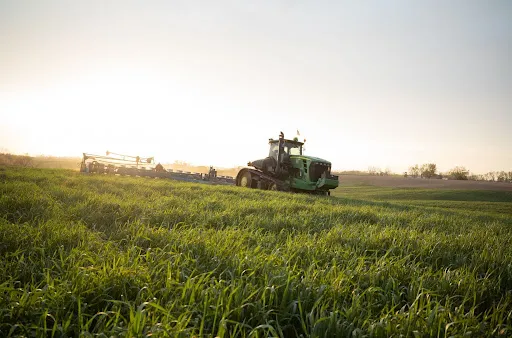
Research that Supports Progress
Production research is how the checkoff improves on-farm soybean advancements. Checkoff-funded supply investments help develop better varieties and protect against weeds, pests, and disease that affect yields. Demand-focused R&D improves soy quality and finds new uses for soy-based products, creating lasting demand for what farmers grow.
Creating Demand for Soy
Checkoff-funded promotion reaches buyers, manufacturers, and markets domestically and internationally, making the case for U.S. soybeans across feed, food, fuel, industrial uses, and exports.
By law, the Soy Checkoff cannot focus on state or national policy issues. These activities are carried out by other organizations, like the American Soybean Association.
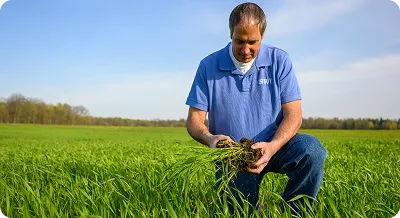
Education Across the Value Chain
The checkoff invests in education because knowledge drives better decisions. Practical guidance for farmers protects yields and supports informed management decisions. Verified data makes purchasing U.S. soybeans an obvious choice for buyers.
Farmer-Led Accountability
Farmer leadership strategically guides the checkoff’s priorities and investments. External oversight from the U.S. Department of Agriculture (USDA) ensures it stays compliant and transparent. Together, they create a program soybean farmers can trust.
USDA Oversight
Under the federal Soybean Promotion, Research and Consumer Information Act, the USDA Agricultural Marketing Service oversees the Soy Checkoff, ensuring the program operates within its legal mandate and in the interest of the farmers it serves.
Annual Audits
Annual audits provide an independent review of how checkoff dollars are collected and spent, giving farmers a verifiable record of program finances every year.
Farmer Leadership
Every investment decision begins with a soybean farmer. Each United Soybean Board Director, appointed by the U.S. Secretary of Agriculture, contributes to the 77-member Board of Directors, comprised of active soybean farmers from 30+ states who direct how checkoff funds are prioritized.
Public Reporting
The Soy Checkoff publishes annual reports, budgets, and key program documents for public review, as required by USDA guidelines. Access to these public reports offers transparency to the nearly half-million U.S. soybean farmers who fund the checkoff.
Designed to deliver real results.
The checkoff is built to produce results U.S. soybean farmers can point to. See what that looks like in practice.